You Won’t Believe What Munich’s Cityscape Hides – I Was Totally Unprepared
Munich isn’t just lederhosen and beer halls—it’s a city where medieval spires meet sleek modernity, and every alley tells a story. I wandered its streets with no plan, only curiosity, and found myself stunned by contrasts: ancient churches next to minimalist design hubs, tranquil parks wrapped around buzzing transit veins. This isn’t just sightseeing—it’s experiencing how history and progress coexist. Let me take you through the layers of a city that surprised me at every turn.
First Impressions: Where Tradition Meets Tomorrow
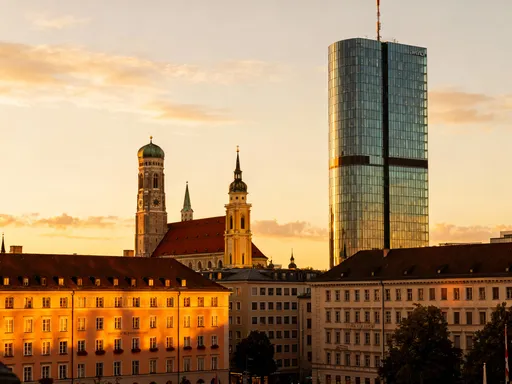
Arriving in Munich by train, one is immediately struck by the harmony between old and new. The city unfolds like a carefully curated narrative, where each structure contributes to a larger story of resilience and reinvention. Standing at the edge of Marienplatz, the heart of Munich’s historic core, the Neues Rathaus rises with its ornate gables and clockwork figures that still charm crowds daily. Yet just beyond the square, the skyline shifts—clean glass facades and angular silhouettes signal the presence of modern enterprise. The BMW Tower, with its futuristic four-cylinder design, stands not as an intrusion, but as a deliberate counterpoint to tradition.
This balance is no accident. Munich’s urban planning policies have long emphasized architectural continuity over abrupt transformation. Zoning regulations protect sightlines to key landmarks, ensuring that no new construction overshadows the Frauenkirche’s twin domes. At the same time, the city encourages innovation within defined parameters—modern buildings must respect scale, materiality, and contextual flow. As a result, neighborhoods like Lehel and Schwabing blend 19th-century townhouses with contemporary infill projects that feel like natural extensions rather than disruptions.
For visitors, this duality creates a sense of grounded wonder. There’s comfort in the familiar—cobblestone lanes, timber-framed facades, and the scent of fresh pretzels wafting from corner bakeries. Yet around every bend, there’s also the thrill of discovery: a solar-paneled apartment block nestled behind a Baroque courtyard, or a pop-up design gallery housed in a repurposed tram station. The emotional impact is subtle but profound—a feeling that progress need not erase memory, and that cities can evolve without losing their soul.
Walking Through Time: The Evolution of Munich’s Skyline
To understand Munich’s skyline is to trace a timeline of recovery, ambition, and careful stewardship. Much of the city’s historic fabric was damaged during World War II, and the post-war decades brought both necessity and opportunity. Reconstruction efforts in the 1950s prioritized functionality, leading to modest mid-rise buildings that filled gaps without dominating the horizon. It wasn’t until the economic resurgence of the 1970s and 80s that Munich began reaching skyward—with intention.
Districts like Maxvorstadt, once home to aristocratic villas and academic institutions, gradually welcomed low-density apartment buildings and cultural centers. The emphasis remained on human scale, with few structures exceeding six stories. This changed in the 21st century, as population growth and economic expansion prompted a reevaluation of vertical potential. Areas such as Werksviertel-Mitte, developed on the site of former railway workshops, now showcase high-rise living with a distinctly urban character. These towers, some rising over 100 meters, are designed with setbacks, terraces, and textured facades to avoid monolithic appearances.
Data reveals the shift: while the average building height in central Munich remained below 20 meters through the 1990s, recent developments have pushed the median closer to 30 meters in designated growth zones. Yet even as the skyline evolves, over 40 percent of the city’s area remains under heritage protection, preserving the architectural identity of its most treasured quarters. This careful calibration ensures that new construction enhances rather than overwhelms.
What makes this evolution remarkable is its restraint. Unlike other European capitals where glass towers cluster densely, Munich’s high-rises are strategically dispersed, often integrated with green spaces and public amenities. The city’s master plan envisions vertical growth only in transit-accessible zones, minimizing urban sprawl while maintaining neighborhood cohesion. In doing so, Munich demonstrates that density and charm are not mutually exclusive—but can, in fact, reinforce one another when guided by long-term vision.
Hidden Layers: Rooftop Gardens, Courtyards, and Secret Passages
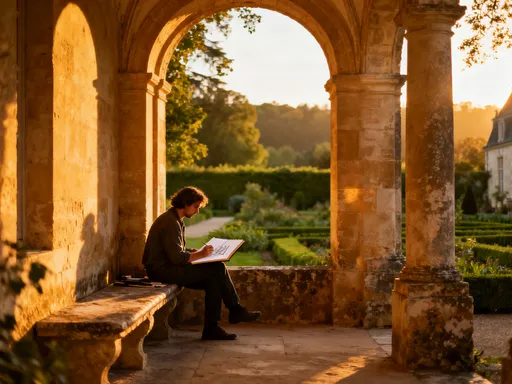
Beyond the postcard-perfect façades lies a network of concealed spaces that give Munich’s urban fabric its depth and intimacy. These are not grand attractions, but quiet moments of discovery—the kind that reward slow walking and attentive observation. Among the most enchanting are the Innenhöfe, or inner courtyards, tucked behind unassuming street entrances. Often accessible through narrow passageways, these hidden oases offer refuge from the bustle, their walls draped in ivy, their corners adorned with potted herbs and vintage bicycles.
Many of these courtyards date back to the 18th and 19th centuries, originally designed as shared service areas for residents. Today, they’ve been revitalized as communal spaces—some with seating, others with small art installations or community gardens. In neighborhoods like Glockenbachviertel and Haidhausen, these spaces have become unofficial gathering spots, where neighbors exchange greetings over morning coffee or children play beneath shaded arcades. Their preservation speaks to Munich’s commitment to lived experience over mere aesthetics.
Equally transformative are the city’s rooftop gardens and green terraces. Public buildings, including libraries and schools, increasingly incorporate vegetated roofs as part of Munich’s climate adaptation strategy. The StadtBibliothek am Englsachenbach, for instance, features a sloping green roof that blends into the surrounding parkland, reducing heat absorption and supporting local biodiversity. Private developments follow suit, with luxury apartments offering residents access to sky-level gardens complete with seating areas and herb planters.
Then there are the adaptive reuse projects—former factories, warehouses, and power stations reborn as creative hubs. The Werk3 art center in Werksviertel, housed in a repurposed transformer station, exemplifies this trend. Its raw industrial bones are preserved, while large glass additions flood the interior with light. Visitors might stumble upon a sculpture exhibition, a pop-up café, or a dance rehearsal—all within walls that once hummed with electrical currents. These spaces remind us that cities are not static monuments, but living organisms capable of reinvention.
Public Spaces as Urban Anchors: How Plazas Shape Daily Life
In Munich, public squares are not merely decorative—they are vital organs of urban life. Places like Viktualienmarkt and Karlsplatz (Stachus) function as social circulatory systems, where people converge, linger, and connect. Viktualienmarkt, originally established as a farmers’ market in 1807, remains a sensory delight: stalls overflow with seasonal produce, artisanal cheeses, and floral arrangements, while beer gardens invite patrons to sit long after their shopping is done.
What sets these spaces apart is their adaptability. In summer, Viktualienmarkt hosts open-air concerts and cultural events; in winter, a curated Christmas market transforms its center into a glowing village of wooden huts. The layout encourages movement and停留—wide pathways accommodate foot traffic, while clusters of seating create natural pauses. Even the lighting is thoughtfully designed: warm-toned fixtures enhance the market’s inviting atmosphere without overwhelming the historic surroundings.
Karlsplatz, though more modern in character, serves a similar function as a crossroads of activity. As one of the city’s busiest transportation nodes, it sees thousands of commuters daily. Yet it also hosts street performers, seasonal markets, and public art installations. Recent renovations have improved pedestrian flow, widened sidewalks, and introduced shaded seating areas, making it more than just a transit point—it’s a destination in itself.
These plazas succeed because they are designed for people, not just performance. Their scale feels human, their materials tactile—stone, wood, and metal that age gracefully. Benches are positioned to capture sunlight or shade, depending on orientation, and greenery is woven throughout. The result is a sense of belonging: whether you’re a tourist snapping photos or a local grabbing a sandwich, you’re part of the rhythm. In an era of digital isolation, such spaces are more essential than ever—they ground us in shared physical reality.
Transit as Design: The Role of Mobility in Shaping the Cityscape
Munich’s reputation for efficient public transportation is well earned, but what often goes unnoticed is how mobility infrastructure contributes to the city’s aesthetic and emotional character. The U-Bahn and S-Bahn networks are not just functional—they are designed with coherence, clarity, and care. Stations like Munich Hauptbahnhof have undergone thoughtful redesigns that balance historical preservation with modern usability. Exposed brickwork and original steel trusses now coexist with sleek signage, intuitive wayfinding, and natural light filtering through skylights.
Even underground, the experience is elevated. U-Bahn stations feature consistent color schemes and typography, reducing cognitive load for travelers. Art installations—ranging from mosaic murals to soundscapes—are integrated into platform design, turning routine commutes into subtle cultural encounters. The emphasis on cleanliness, safety, and accessibility reinforces a sense of civic pride. Unlike transit systems in some cities that feel utilitarian or neglected, Munich’s feels like an extension of public space.
Beyond rail, the city’s commitment to cycling and walking is evident in its extensive network of bike lanes and pedestrian zones. Along the Isar River, dedicated paths wind through wooded stretches and open meadows, offering scenic alternatives to urban streets. These routes are lined with benches, informational plaques, and seasonal rest stops, making them accessible to all ages and abilities. During warmer months, it’s common to see families biking together, joggers weaving through shaded trails, and dog walkers pausing by the water’s edge.
This integration of mobility into urban design reflects a broader philosophy: that how people move through a city shapes how they experience it. By prioritizing walkability and transit-oriented development, Munich reduces car dependency while enhancing quality of life. New residential projects are required to include bike storage, electric vehicle charging, and proximity to transit stops. The result is a city that moves with grace—efficient, inclusive, and deeply connected.
Green Within Gray: Munich’s Integration of Nature and Concrete
If there’s one word that defines Munich’s urban character, it’s balance. Nowhere is this more evident than in the city’s seamless blending of nature and built environment. The Englischer Garten, spanning over 370 hectares, is perhaps the most famous example—a vast green lung that rivals Central Park in scale and significance. Within its bounds, visitors encounter everything from serene lotus ponds to the wild surf of the Eisbach wave, where skilled surfers ride the current year-round.
But greenery is not confined to large parks. Tree-lined avenues like Ludwigstraße and Leopoldstraße create shaded corridors through the city, their canopies forming natural arches in summer. Smaller green spaces—neighborhood squares, schoolyards, and traffic islands—are planted with native species that support pollinators and reduce urban heat. The city’s urban forestry program ensures regular tree planting and maintenance, with a goal of increasing canopy cover to 25 percent by 2030.
Policies incentivize private and commercial property owners to contribute. Green roof subsidies, for instance, have led to a proliferation of vegetated rooftops on everything from office buildings to parking garages. These roofs not only insulate structures and manage stormwater but also provide habitats for birds and insects. Some even host urban beekeeping projects, producing honey sold at local markets.
The sensory impact of this green integration is profound. In spring, the scent of blooming chestnuts fills the air; in autumn, golden leaves carpet quiet lanes. The sound of rustling foliage or trickling streams offers contrast to the hum of traffic. Even in dense districts, one is rarely far from a patch of green. This constant presence of nature softens the urban edge, making the city feel livable, breathable, and humane. It’s a reminder that sustainability is not just a technical goal—but a daily experience.
Nightfall Transformation: How Light Redefines the Cityscape
As dusk settles over Munich, the city undergoes a quiet metamorphosis. Daylight reveals form and texture; nighttime reveals mood and meaning. Carefully orchestrated lighting transforms familiar landmarks into ethereal presences. The Frauenkirche glows with warm amber uplighting, its towers rising like beacons against the dark sky. The Alte Pinakothek, illuminated with subtle precision, appears to float in a pool of light, its classical façade accentuated without glare.
This nocturnal identity is the product of deliberate design. Munich adheres to lighting guidelines that prioritize energy efficiency, visual comfort, and architectural enhancement. Historic buildings are lit with warm-toned LEDs to preserve their character, while modern structures often feature cooler, dynamic lighting that can shift with seasons or events. Along the Isar River, pathway lighting is low-level and shielded, minimizing light pollution while ensuring safety for evening strollers.
The contrast between old and new is especially striking after dark. In the Altstadt, lantern-style streetlights cast a nostalgic glow, reinforcing the medieval ambiance. In contrast, the BMW Welt and adjacent museum showcase dramatic, sculptural lighting that highlights their futuristic forms. Yet even here, brightness is controlled—no blinding signage or chaotic color changes. The overall effect is one of elegance and restraint.
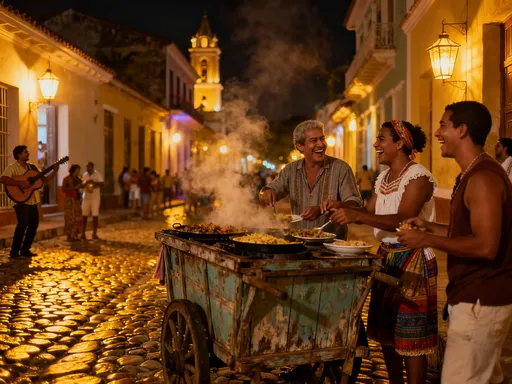
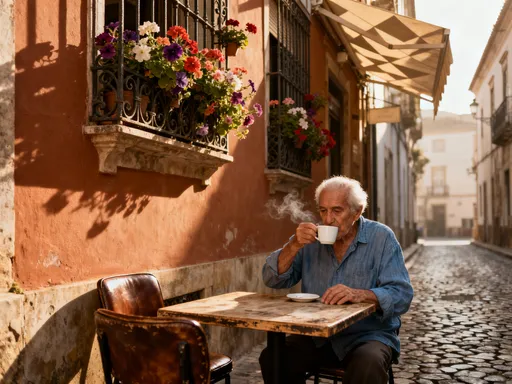
For residents and visitors alike, the night city offers a different kind of intimacy. Cafés spill onto sidewalks, their tables lit by string lights and candles. Couples walk hand in hand along illuminated bridges, while joggers trace glowing paths through the parks. The city feels safe, inviting, and alive—never over-lit, never under-lit, but just right. This balance reflects Munich’s broader ethos: that beauty and functionality can coexist, and that even in darkness, a city can shine with quiet confidence.
Munich’s cityscape is more than a collection of buildings—it’s a living dialogue between past and future, openness and intimacy, motion and stillness. By walking its streets with awareness, travelers gain not just photos, but perspective. This city teaches us that thoughtful design can honor memory while embracing change. Next time you visit, look beyond the surface—you might just see the soul of a place shaped by vision, care, and quiet confidence.