Secret Shores & Golden Light: What Saint-Louis Hides Beyond the Map
Have you ever stumbled upon a place that feels like it’s been kept just for you? Saint-Louis, Senegal, is one of those rare gems where nature writes the journey. Nestled where the Senegal River meets the Atlantic, this former colonial capital whispers stories through mangrove channels, untouched beaches, and sunsets that set the sky on fire. Most travelers pass by—but those who stop discover something quietly extraordinary. It is not just the pastel-colored colonial buildings or the rhythm of mbalax music drifting through alleyways that define this city. Beneath its historic charm lies a wilder soul, shaped by water, wind, and light. For the mindful traveler, Saint-Louis offers more than heritage; it offers a return to stillness, to wonder, to landscapes that breathe with life.
The Allure of Saint-Louis: More Than a Colonial Postcard
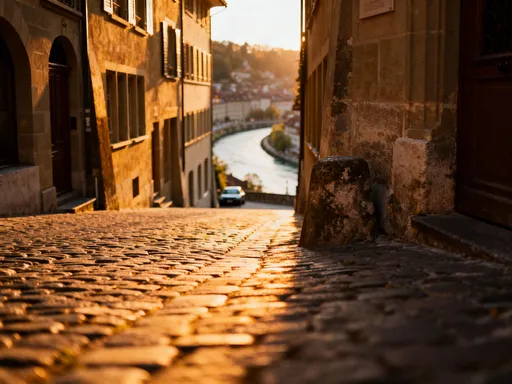
Saint-Louis, once the capital of French West Africa, is often celebrated for its architectural elegance and cultural fusion. Its narrow streets, lined with Creole-style homes painted in faded blues, ochres, and pinks, evoke a bygone era. The iconic Faidherbe Bridge, a steel arch spanning the Senegal River, connects the island city to the mainland and serves as a symbol of continuity between past and present. Tourists stroll through museums, sip coffee in shaded courtyards, and admire the blend of African and European influences. Yet, for all its human-made beauty, the deeper essence of Saint-Louis lies not in its buildings, but in its natural setting.
The city’s identity is intrinsically tied to water. The Senegal River, wide and reflective, flows like a silver ribbon to the east, while the Atlantic Ocean pounds the western edge with untamed energy. This duality—calm river and restless sea—shapes the rhythm of daily life. Fishermen launch their brightly painted pirogues at dawn, their silhouettes cutting across the morning mist. Women gather along the riverbanks, washing clothes and chatting in rhythmic Wolof. The air carries the scent of salt, grilled fish, and blooming frangipani. To experience Saint-Louis fully is to move beyond the postcard-perfect facades and into the living, breathing landscape that sustains it.
Unfortunately, many visitors remain confined to the island center, missing the expansive natural wonders just a short journey away. The true magic of Saint-Louis unfolds where land meets water—on sand spits kissed by ocean spray, in mangrove forests humming with birdlife, and along deserted shores where turtles slip silently into the surf. These spaces are not merely scenic; they are vital ecosystems, cultural touchstones, and sanctuaries of peace. By shifting focus from monuments to nature, travelers gain a richer, more intimate understanding of this coastal jewel.
Langue de Barbarie: A Sliver of Wild Between River and Sea
Stretching like a fragile thread between the Senegal River and the Atlantic Ocean, Langue de Barbarie is one of West Africa’s most remarkable natural formations. This narrow sandbar, only a few hundred meters wide in most places, serves as a natural barrier separating freshwater from saltwater. Once part of a continuous coastal ridge, it now stands as a dynamic, ever-shifting landscape shaped by tides, winds, and seasonal currents. Though it begins just south of the city and is accessible by car or bicycle, few tourists venture beyond its northern edge—where solitude, wildlife, and raw natural beauty begin.
The southern portion of Langue de Barbarie is more developed, home to small fishing communities and modest guesthouses. But as one moves northward, the human presence fades. What remains is a pristine corridor of shifting dunes, salty wetlands, and dense stands of sea grass. This area is officially designated as the Langue de Barbarie National Park, a protected zone recognized for its ecological significance. It is a critical habitat for migratory birds, including flamingos, pelicans, and dozens of wading species that arrive each year from Europe and northern Africa. Birdwatchers often visit during the dry season, when water levels recede and thousands of birds gather in shallow lagoons to feed.
Equally remarkable is the role Langue de Barbarie plays in marine conservation. Between July and October, the dark, warm sands of its northern tip become nesting grounds for endangered sea turtles, particularly the green turtle and the leatherback. Under the cover of night, these ancient creatures emerge from the ocean, laboriously digging nests to lay their eggs. Conservation efforts led by local guides and environmental groups help monitor these sites, protecting them from predators and human disturbance. Visitors are welcome to join guided night walks during nesting season, provided they follow strict guidelines to minimize impact.
The ever-changing nature of the sandbar also makes it a place of constant transformation. In 2003, a man-made breach was created to relieve flooding in Saint-Louis, altering the natural flow of water and reshaping the northern end of the spit. While this intervention was necessary for urban safety, it has led to accelerated erosion in some areas and shifts in wildlife patterns. Today, scientists and local authorities work together to monitor the ecosystem, balancing human needs with environmental protection. For the traveler, this means witnessing not just beauty, but resilience—a landscape adapting in real time.
The River as a Lifeline: Exploring the Senegal by Pirogue
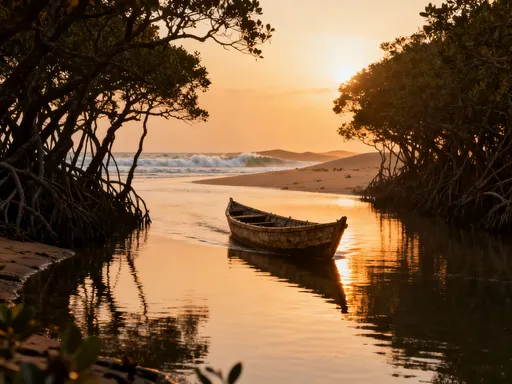
To glide through the waterways of the Senegal River in a traditional wooden pirogue is to experience the region from a completely different perspective. These hand-carved boats, painted in vibrant blues, greens, and reds, have been used by local communities for generations. Powered by quiet outboard motors or even paddles, they slip silently through narrow channels flanked by dense mangroves. The journey begins near Nder, a small village on the eastern edge of Saint-Louis, where fishermen prepare their nets and children wave from the banks. As the pirogue moves deeper into the maze of waterways, the sounds of the city fade, replaced by the rustle of leaves, the splash of fish, and the distant call of a kingfisher.
The mangrove forests that line the river are among the most productive ecosystems on Earth. Their tangled roots, submerged in brackish water, provide shelter for juvenile fish, crabs, and oysters—many of which support local livelihoods. Above, the canopy teems with life: herons stand motionless in the shallows, egrets take flight at the boat’s approach, and sacred ibises stride through the mudflats. The air is thick with humidity and the earthy scent of wet bark. Sunlight filters through in golden shafts, illuminating clusters of orchids and vines that cling to ancient trunks. It is a world both ancient and alive, unchanged in rhythm for centuries.
Along the banks, small settlements appear—clusters of huts built on stilts, connected by wooden walkways. Women process fish on raised platforms, spreading them on nets to dry in the sun. Men repair canoes or mend nets under thatched shelters. Children swim in the calm waters, diving beneath the surface with effortless grace. These communities live in harmony with the river, drawing sustenance from its waters while respecting its power. A pirogue tour offers more than scenic views; it is a window into a way of life deeply connected to nature’s cycles.
Guided tours typically last two to four hours, depending on the route and stops. Knowledgeable local guides share stories about medicinal plants, traditional fishing techniques, and the seasonal changes that affect the river’s flow. They point out nesting sites, explain the importance of mangrove conservation, and describe how rising water levels and shifting salinity are impacting local ecosystems. For travelers, this slow, intentional form of exploration fosters a deeper appreciation—not just for the landscape, but for the people who call it home. It is travel at its most authentic: unhurried, respectful, and full of quiet revelations.
Sunset at the Northern Tip: Where Two Waters Collide
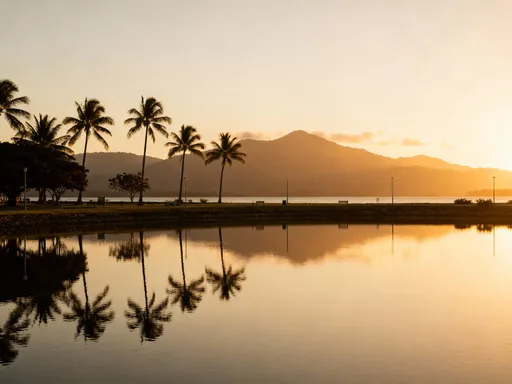
At the very end of Langue de Barbarie, where the sandbar meets the open Atlantic, lies one of Senegal’s most awe-inspiring natural spectacles. Here, the calm, sediment-rich waters of the Senegal River surge forward, colliding with the powerful waves of the ocean. The result is a churning, frothing boundary where two forces—freshwater and saltwater, stillness and motion—converge in a constant, dynamic dance. It is a place of elemental power, best experienced at golden hour, when the setting sun ignites the sky in hues of amber, rose, and molten gold.
As daylight fades, the horizon becomes a canvas of fire. The ocean glows with reflected light, while the river takes on a coppery sheen. Waves crash against the shore with a rhythmic roar, sending plumes of spray into the air. Seabirds wheel overhead, their cries blending with the wind. The scent of salt is strong, carried on a breeze that tugs at clothing and cools the skin. Few visitors make it this far, so the sense of solitude is profound. There are no vendors, no crowds, no distractions—only the raw beauty of nature in motion.
This convergence point is not just visually stunning; it is ecologically significant. The mixing of waters creates a nutrient-rich zone that attracts fish, drawing both marine life and local fishermen. It is common to see pirogues anchored just offshore, their occupants casting nets into the turbulent waters. The area also serves as a passage for migratory species, including dolphins and certain types of sharks, which follow the currents along the coast. For conservationists, this site underscores the importance of protecting transitional zones—places where ecosystems intersect and biodiversity thrives.
Photographers and nature lovers alike find this spot irresistible. The interplay of light, water, and movement offers endless opportunities for capturing the sublime. Yet, the true magic lies not in photographs, but in presence. Standing at the edge of two worlds, feeling the wind and watching the sun dip below the horizon, one cannot help but feel small in the best possible way—a reminder of nature’s grandeur and our place within it. It is a moment of pure, unfiltered wonder, the kind that stays with a traveler long after they’ve returned home.
The Forgotten Beaches: Untouched Sands Just Minutes from Town
While many tourists assume that the beaches near Saint-Louis are crowded or underdeveloped, the reality is quite the opposite. Just a short distance from the city center lie stretches of coastline that remain pristine, unspoiled by mass tourism. To the south, beyond the fishing village of Guet Ndar, lie quiet coves framed by natural dunes and hardy coastal vegetation. To the north, past the end of Langue de Barbarie, the shoreline extends into a wild, windswept expanse where footprints are rare and the sand is soft and untouched. These beaches are not listed in most guidebooks, yet they offer some of the most peaceful seaside experiences in West Africa.
What makes these shores so special is their authenticity. Unlike resort-lined coasts elsewhere, there are no sunbeds, no loud music, no commercial distractions. Locals come here to walk, to fish, to gather with family, or simply to sit and watch the waves. The rhythm is slow, unhurried. Children build sandcastles while elders rest under makeshift shade. Fishermen haul in their daily catch, spreading nets across the sand to dry. The beach is not a commodity; it is a shared space, a part of daily life. Visitors are welcome, provided they come with respect and quiet observation.
Access to these beaches varies. The southern stretches can be reached by taxi or motorbike from Saint-Louis, though the final stretch may require a short walk over sand or rocky terrain. The northern beaches are more remote and best explored with a local guide or in a 4x4 vehicle, especially during the rainy season when the sand becomes soft and difficult to traverse. Safety is generally good, but swimmers should exercise caution—the Atlantic currents can be strong, and lifeguards are not present. The best times to visit are early morning or late afternoon, when temperatures are cooler and the light is most beautiful.
These forgotten shores also play an important ecological role. The dune systems help prevent erosion, while native grasses stabilize the sand and provide habitat for small reptiles and insects. Sea turtles occasionally nest in these areas, making it essential for visitors to avoid disturbing the upper beach at night. Simple practices—such as staying on established paths, avoiding littering, and refraining from using bright lights—can go a long way in preserving these delicate environments. For the mindful traveler, these beaches offer not just beauty, but a lesson in humility and stewardship.
Seasonal Secrets: When Nature Puts on a Show
Saint-Louis is a city of seasons, each bringing its own transformation to the landscape. The dry season, which runs from November to June, is the most popular time for visitors. Skies are clear, rainfall is rare, and temperatures are warm but manageable. This is when the river is at its lowest, revealing sandbanks and expanding the mudflats where birds congregate. It is the ideal time for birdwatching, pirogue tours, and beach walks, as the weather supports long days outdoors.
Yet the rainy season, from July to October, has its own quiet magic. Though occasional downpours occur, they are usually brief, followed by bursts of sunlight. The landscape turns lush and green, a striking contrast to the dry season’s golden hues. The river swells, reclaiming parts of the floodplain and creating new waterways through the mangroves. This period also marks the beginning of turtle nesting season, when female turtles emerge under moonlight to lay their eggs. It is a fragile time, requiring extra care from visitors to avoid disturbing nesting sites.
Migration patterns further enrich the seasonal rhythm. From November onward, thousands of Palearctic birds—herons, terns, spoonbills, and flamingos—arrive from Europe and Central Asia, seeking milder climates and abundant food. The wetlands of Langue de Barbarie become a living theater of flight and song. Birdwatchers from around the world time their visits to coincide with this avian influx, often joining local eco-tours led by trained naturalists.
For those seeking a deeper connection with nature, aligning a visit with these seasonal events can transform a simple trip into a meaningful experience. It also encourages a more responsible approach to travel—observing wildlife without intrusion, learning from local experts, and supporting conservation efforts. By understanding the rhythms of the land, travelers become participants in its story, rather than mere spectators.
Traveling with Respect: How to Experience Nature Without Harming It
As interest in eco-conscious travel grows, so does the responsibility to protect the places we visit. Saint-Louis, with its fragile ecosystems and vibrant communities, is a prime example of a destination that thrives on mindful tourism. The very qualities that make it special—its quiet beaches, rich biodiversity, and cultural authenticity—are also what make it vulnerable. Preserving these treasures requires intentional choices from every visitor.
One of the simplest yet most impactful actions is to follow designated paths, especially in protected areas like Langue de Barbarie National Park. Trampling dunes or disturbing mangrove roots can accelerate erosion and harm wildlife habitats. Similarly, avoiding single-use plastics helps prevent pollution in waterways and on beaches. Travelers can carry reusable water bottles, refuse plastic bags, and dispose of waste properly. Many local guides now offer eco-friendly tours that include beach cleanups, turning sightseeing into stewardship.
Respecting wildlife is equally important. Observing birds, turtles, or marine life should always be done from a distance. Flash photography, loud noises, and physical interference can cause stress or disrupt natural behaviors. During turtle nesting season, night visits should only be conducted with certified guides who follow conservation protocols. Supporting local initiatives—such as community-run guesthouses, women’s cooperatives, or environmental education programs—ensures that tourism benefits residents directly.
Finally, the greatest act of respect is discretion. The beauty of Saint-Louis lies in its quietude, its sense of discovery. Sharing its secrets too widely can lead to overcrowding and degradation. By traveling lightly, listening deeply, and leaving no trace, visitors help ensure that this extraordinary place remains a sanctuary—for wildlife, for locals, and for future generations of thoughtful travelers. Saint-Louis is not just a destination. It is a living landscape, a testament to the harmony between people and nature. And for those who seek it, it offers not just escape, but connection.