You Won’t Believe These Hidden Viewpoints in Bariloche
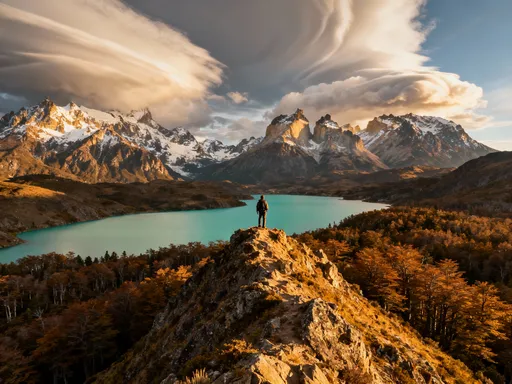
Nestled in Argentina’s Lake District, Bariloche is more than chocolate and alpine charm—it’s a gateway to jaw-dropping viewpoints that few travelers truly explore. I wandered beyond the postcard spots and found panoramic vistas where the Andes kiss turquoise lakes under endless skies. Each viewpoint tells a story of glaciers, forests, and silent summits. Every turn reveals a new composition of nature’s grandeur: snow-dusted peaks mirrored in glassy waters, ancient trees clinging to rocky slopes, and skies so vast they seem to hold time itself. If you’re craving raw natural beauty with every step, Bariloche’s elevated secrets will redefine your adventure.
The Allure of Bariloche: More Than a Pretty Postcard
Bariloche, officially known as San Carlos de Bariloche, sits like a jewel on the southeastern shore of Nahuel Huapi Lake, the largest in Argentina’s Lake District. Internationally renowned for its artisanal chocolate, European-inspired architecture, and vibrant outdoor culture, the city draws thousands each year who come for its cozy cafes, wooden chalets, and festive winter carnival. Yet, beyond the charming streets and bustling waterfront, a quieter, more profound experience awaits—one that unfolds not in the town center, but high above it, where the air thins and the horizon stretches impossibly far.
The region’s geography is a gift to those who seek elevation. Cradled by the Andes and surrounded by deep glacial lakes, Bariloche lies at the intersection of tectonic forces and ancient ice flows. This dramatic topography creates a natural amphitheater of peaks, valleys, and waterways, each offering a unique vantage point. While most visitors pause for photos at the lakeside or enjoy a boat ride to Isla Victoria, only a fraction venture to the elevated trails that reveal the full scope of this Patagonian paradise. The contrast between the lively downtown and the stillness of the highlands is striking—one moment you’re sipping hot chocolate in a crowded café, the next you’re standing alone on a windswept ridge with nothing but the sound of distant waterfalls and the whisper of the southern wind.
What makes these viewpoints so special is not just their beauty, but their accessibility. Many require only a moderate hike or a short drive from town, yet they transport you into a world that feels remote and untouched. The elevation brings clarity—both literal and emotional. From above, the patchwork of forests, lakes, and mountains forms a living map of geological history, where glaciers carved valleys thousands of years ago and native lenga and coihue trees now reclaim the slopes. For travelers seeking depth beyond the surface charm, these elevated perspectives offer a truer sense of place. They invite reflection, slow observation, and a deeper connection to the natural world—one that lingers long after the journey ends.
Cerro Campanario: The Classic That Still Delivers
No discussion of Bariloche’s viewpoints is complete without mentioning Cerro Campanario, the iconic peak that rises just west of the city. At 1,058 meters (3,471 feet), its summit offers one of the most photographed panoramas in Patagonia. Visitors can reach the top via a historic funicular railway that has been operating since the 1930s, or by hiking the well-marked trail that winds through native forest. While the funicular offers ease and nostalgia, the hike—approximately 90 minutes one way—provides a more immersive experience, allowing travelers to feel the shift in temperature, vegetation, and atmosphere as they ascend.
From the summit, the view is nothing short of majestic. Nahuel Huapi Lake unfolds like a liquid sapphire, dotted with forested islands and framed by distant peaks still capped with winter snow, even in summer. Isla Victoria lies directly ahead, its dense woods sheltering centuries-old Arrayanes trees with cinnamon-colored bark. To the west, the Tronador massif looms in the distance, a remnant of ancient volcanic activity now softened by glaciers. On clear days, the panorama spans over 60 kilometers, encompassing multiple national parks and river basins. Despite its popularity, Cerro Campanario retains a sense of awe—there is something humbling about standing where the earth rises so suddenly into sky.
What many travelers don’t realize is that timing can transform this well-trodden destination into a personal sanctuary. Arriving at sunrise, when the first light gilds the lake and the city below is still asleep, creates a moment of rare stillness. The air is crisp, the colors are soft, and the usual crowds have yet to arrive. For photographers and nature lovers alike, this is the ideal window. Even during peak season, a midweek visit or an early departure ensures a more peaceful experience. Packing a thermos of mate or tea, wearing layers for the changing mountain weather, and allowing time to simply sit and absorb the view can turn a standard sightseeing stop into a meaningful pause in nature.
Cerro Campanario proves that even the most famous viewpoints can offer intimacy when approached with intention. It remains a must-see not because it is hidden, but because it encapsulates the essence of Bariloche—where alpine beauty meets accessible wilderness, and where every glance outward becomes a journey inward.
Loma del Barco: Where the City Meets the Wild
Just a short distance from Bariloche’s city center, Loma del Barco offers a perfect balance between accessibility and immersion in nature. This lesser-known ridge begins near the end of Calle Perito Moreno and climbs gently through a mosaic of native lenga forest, rocky outcrops, and open meadows. Unlike more strenuous hikes, Loma del Barco is suitable for families, casual walkers, and those with limited time, yet it delivers a perspective that feels surprisingly remote. The trail is well-marked, with occasional wooden steps and informational signs about local flora and conservation efforts, making it both easy to follow and educational.
As you ascend, the city gradually recedes behind you, replaced by sweeping views of Nahuel Huapi Lake and the surrounding mountain range. From the higher ridges, Bariloche appears as a cluster of red-tiled roofs nestled against the forest, a charming contrast to the wild, untamed landscape that surrounds it. To the east, the lake stretches toward the horizon, its surface shimmering under the sun or rippling with afternoon winds. To the west, the Andes rise in layered ridges, their slopes cloaked in evergreen forests that turn golden in the fall. It is a view that captures the harmony between human settlement and natural grandeur—a reminder that even in a developed town, wilderness is never far away.
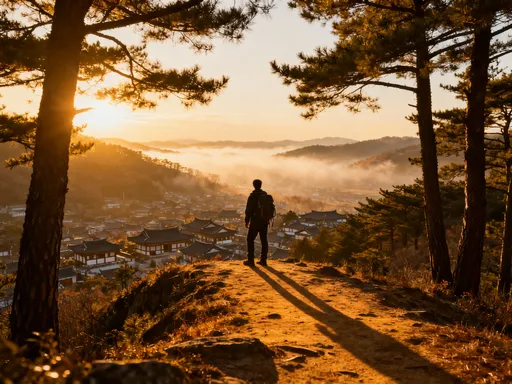
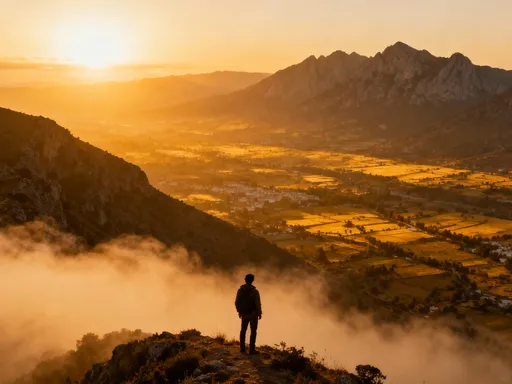
One of the most magical times to visit Loma del Barco is at sunrise or sunset, when the low-angle light bathes the landscape in warm tones. The golden hour transforms the lake into a mirror of fire, reflecting the sky in hues of orange and pink. Photographers will appreciate the unobstructed sightlines and the opportunity to capture both the city and the wild in a single frame. Birdwatchers may spot black-chested buzzards or Magellanic woodpeckers in the trees, while hikers often pause to listen to the distant call of the Andean condor, though sightings are rare and always a thrill.
What sets Loma del Barco apart is its ability to offer solitude without requiring a full-day commitment. It is a place where mothers walk with strollers, couples share quiet moments, and solo travelers find space to reflect. The trail’s gentle gradient and short duration—about 45 minutes to the main viewpoint—make it ideal for those testing their stamina or introducing children to hiking. Yet, it does not feel trivial. Standing at the top, with the wind in your hair and the world spread out below, you feel the same sense of accomplishment as on any mountain summit. It is a testament to Bariloche’s unique gift: the ability to make nature feel close, welcoming, and deeply personal.
Refugio Frey: The High-Altitude Wonders
For those ready to venture deeper into Patagonia’s wilderness, Refugio Frey represents a true high-altitude pilgrimage. Located within Nahuel Huapi National Park, this backcountry mountain hut is accessible only by a combination of boat and hike, beginning with a ferry ride from Puerto Pañuelo to Refugio Belvedere. From there, a well-maintained trail climbs steadily through alpine meadows, past glacial streams, and into a dramatic cirque surrounded by granite spires. The hike takes approximately four to five hours one way, depending on pace, and rewards travelers with one of the most awe-inspiring mountain settings in the region.
The landscape along the trail feels otherworldly. Hardy wildflowers bloom in summer, dotting the green slopes with purple and yellow. Glacial lakes, their waters a vivid turquoise from rock flour, reflect the surrounding peaks with perfect clarity. As you approach Refugio Frey, the imposing silhouette of Cerro Catedral and the jagged ridgeline of Cerro Tronador dominate the skyline. The hut itself, a simple wooden structure maintained by the Andean Association, stands at the base of these towers, serving as a shelter for climbers and hikers. Its presence adds a human element to an otherwise primal environment, a small beacon of warmth in an expansive, windswept realm.
Staying overnight at Refugio Frey is an experience in itself. The hut offers basic accommodations—bunk beds, a communal kitchen, and a wood-burning stove—creating a communal atmosphere among travelers. Waking to the sound of wind against the walls and stepping outside to a frost-kissed landscape at dawn is unforgettable. The morning light illuminates the granite faces in shades of rose and gold, while the silence is so deep it feels sacred. From the hut’s vantage point, the Manso River basin stretches below, a network of streams feeding into the larger watershed. On clear days, condors soar on thermal currents, their wings spanning nearly three meters as they ride the mountain air.
Refugio Frey is not just a destination; it is a symbol of Patagonia’s backcountry culture. These mountain refuges, scattered across the Andes, have long served as sanctuaries for explorers, scientists, and climbers. They represent a tradition of self-reliance, respect for nature, and shared experience. To visit one is to step into that legacy—to walk the same trails as early mountaineers, to sleep under the same stars, and to feel the profound stillness that only high-altitude wilderness can offer. For those seeking more than a view, Refugio Frey delivers a full immersion in the soul of the Andes.
Mirador del Puerto Blest: A Secret Worth the Journey
Along the scenic route to Puerto Blest, a quiet overlook known as Mirador del Puerto Blest offers one of Bariloche’s best-kept secrets. Tucked away on a winding mountain road, this viewpoint sees few visitors compared to the city’s main attractions, yet it delivers a panorama of exceptional clarity and serenity. The overlook faces west, providing an unobstructed view of the Andean corridor, where the Blest River winds through a deep valley flanked by forested slopes and distant peaks. On calm days, the river reflects the sky like polished glass, creating a mirror image of clouds and mountains.
What makes this spot so special is its sense of isolation. Unlike the more developed trails near town, Mirador del Puerto Blest feels untouched. The surrounding forest is dense with native species—lenga, coihue, and the rare ñire tree—whose leaves turn fiery red in autumn. The air carries the scent of damp earth and pine, and the only sounds are the rustle of leaves and the occasional call of a distant bird. It is a place designed for contemplation, where the mind slows and the senses sharpen. Travelers who stop here often linger longer than planned, drawn into the quiet rhythm of the landscape.
The viewpoint is easily accessible by car or guided tour, with a small parking area and a short, well-maintained path leading to the overlook. There are no vendors, no crowds, and no signs—just nature in its purest form. It is ideal for those seeking solitude, photographers looking for unspoiled compositions, or families wanting a peaceful break during a longer journey. Because it lies along the route to the Tronador Glacier and the Chilean border, many pass it by in haste, not realizing the beauty that awaits just off the road. Those who take the time to stop are rewarded with a moment of stillness, a chance to breathe deeply and reconnect with the natural world.
Mirador del Puerto Blest also offers a glimpse into the ecological richness of the region. The area is part of a protected corridor that supports diverse wildlife, including the pudú (the world’s smallest deer), the Andean fox, and numerous bird species. While direct sightings are rare, signs of their presence—tracks, calls, or fleeting shadows—add to the sense of adventure. For environmentally conscious travelers, the site serves as a reminder of the importance of conservation. The lack of development here is not an oversight, but a deliberate choice to preserve the integrity of the landscape. In a world where so many natural wonders are overvisited, Mirador del Puerto Blest stands as a quiet testament to the value of restraint and respect.
Aerial Perspectives: When Hiking Isn’t Enough
While hiking offers an intimate connection with the land, sometimes the most powerful way to appreciate Bariloche’s scale and beauty is from above. For travelers seeking a different kind of viewpoint, aerial experiences—whether by kayak, small aircraft, or even paragliding—provide a transformative perspective. Kayaking on Nahuel Huapi Lake, for instance, allows you to glide silently across the water, viewing the mountains from lake level. At this vantage, the peaks appear even more imposing, their bases rising straight from the shoreline, their reflections dancing on the surface with every ripple. Paddling at dawn, when the lake is calm and the mist hovers above the water, creates a dreamlike atmosphere that feels almost spiritual.
For a broader view, scenic flights offer an unparalleled overview of the region. Small charter planes or helicopters take off from local airfields and fly over the Andes, tracing the contours of glaciers, rivers, and forests. From this height, the geological story of Patagonia becomes visible—the ancient scars of ice flows, the branching patterns of glacial valleys, and the vast network of lakes formed by millennia of erosion. Passengers often spot features invisible from the ground: hidden alpine lakes, remote mountain huts, and the slow movement of ice on Cerro Tronador. These flights typically last between 30 and 60 minutes and are operated by licensed local companies that prioritize safety and environmental responsibility.
Paragliding is another option for the adventurous, offering a middle ground between hiking and flying. Launching from elevated points near Cerro Catedral, pilots soar on thermal winds, floating above tree lines and ridgelines with nothing but the sound of the wind in their ears. The experience is both exhilarating and meditative, combining the thrill of flight with the serenity of floating through open space. Tandem flights are available for beginners, guided by certified instructors who ensure a safe and memorable journey.
These aerial experiences do not replace hiking—they complement it. They allow travelers to understand the landscape in layers: the detail seen on foot, the breadth seen from the air, and the emotional resonance that comes from experiencing both. They remind us that beauty is not fixed, but shifts with perspective. Whether floating above a glacier or paddling beneath a cliff, these moments expand our sense of what is possible in nature and deepen our appreciation for Bariloche’s multidimensional wonder.
Chasing the Light: Timing, Weather, and the Perfect Shot
The final key to unlocking Bariloche’s viewpoints lies not in location, but in timing. The region’s dramatic beauty is shaped as much by light and weather as by geography. Patagonia is known for its unpredictable climate—sun, rain, wind, and snow can all occur in a single day. While this can challenge even experienced travelers, it also creates fleeting moments of extraordinary beauty. The golden hours—shortly after sunrise and before sunset—transform ordinary scenes into masterpieces. During these times, the low-angle sunlight casts long shadows, enhances textures, and bathes the landscape in warm, soft tones. Lakes glow like liquid gold, mountain ridges take on a three-dimensional depth, and forests appear more vivid and alive.
Seasonal variations also play a crucial role. Summer (December to March) offers the longest days, mildest temperatures, and clearest skies, making it ideal for hiking and photography. Autumn (April to May) brings a spectacular display of fall colors, as lenga and ñire trees turn brilliant shades of red, orange, and yellow. Winter (June to August) covers the peaks in snow, creating a stark, monochromatic beauty perfect for those who love the quiet drama of a frozen landscape. Spring (September to November) sees the return of greenery, the blooming of wildflowers, and the melting of snow into rushing streams.
To make the most of these conditions, travelers should monitor local weather reports, dress in layers, and carry essentials such as water, snacks, a windproof jacket, and a reliable map or GPS. Respecting the environment is equally important—staying on marked trails, packing out all waste, and avoiding loud noises that disturb wildlife. Many of these viewpoints lie within protected areas, where conservation is a shared responsibility.
In the end, Bariloche’s hidden viewpoints are more than scenic stops—they are invitations to slow down, look closely, and engage with the natural world on a deeper level. They reward curiosity, patience, and a willingness to step beyond the familiar. Whether you’re standing atop a windswept ridge, floating above a glacial lake, or watching the sun dip behind the Andes, each moment becomes a quiet revelation. These are not just places to see, but experiences to carry within you—a reminder that the most beautiful views are often found not on postcards, but in the quiet spaces between breaths, where nature speaks in silence, and the soul listens.