You Won’t Believe These Hidden Public Gems in Cairns
Nestled between lush rainforests and the sparkling Coral Sea, Cairns is more than just a gateway to the Great Barrier Reef. Beyond the tourist trails, its vibrant public spaces offer locals and travelers alike a chance to unwind, connect, and truly feel the pulse of tropical North Queensland. From sunrise strolls along the esplanade to shaded park nooks buzzing with morning coffee rituals, these shared spaces shape the city’s soul—inviting, laid-back, and full of quiet surprises waiting to be discovered. While many visitors come for the underwater wonders and jungle adventures, those who take time to explore Cairns’ thoughtfully designed urban oases often leave with a deeper appreciation for how public life thrives in this coastal gem. These spaces are not just decorative—they are essential to the rhythm of daily life and the warmth of community connection.
The Heartbeat of Cairns in Its Public Spaces
Cairns has long been celebrated as a launchpad for some of Australia’s most iconic natural experiences—the Great Barrier Reef, the Daintree Rainforest, and the Kuranda Scenic Railway. Yet, for all its fame as an adventure destination, the city itself holds a quieter kind of magic. Its public spaces—parks, promenades, gardens, and markets—are where the true character of Cairns reveals itself. These areas are not afterthoughts but central to the way residents live, breathe, and socialize in this tropical climate. Designed with comfort, inclusivity, and natural beauty in mind, they reflect a deep understanding of how urban environments can enhance quality of life.
What makes Cairns stand out is how seamlessly it blends nature with city living. Unlike larger metropolitan centers where concrete dominates, Cairns integrates greenery, water, and open-air design into its core. This creates a sense of ease and accessibility that invites people of all ages and backgrounds to participate in public life. Whether it’s a family gathering at a shaded picnic table, an elderly couple enjoying a morning walk, or a solo traveler sipping coffee on a bench overlooking the inlet, these moments unfold daily in Cairns’ shared spaces. They serve as stages for everyday joy, fostering connections that go beyond sightseeing.
These communal areas also play a crucial role in sustainable tourism. By offering free, well-maintained spaces where visitors can relax without spending money, Cairns ensures that travel remains accessible and authentic. It shifts the focus from consumption to experience—from ticking off attractions to truly feeling part of a place. In doing so, the city demonstrates that memorable travel isn’t only about grand landscapes but also about the small, human-scale moments that happen when people are given room to simply be.
Cairns Esplanade: More Than Just a Beachfront Strip
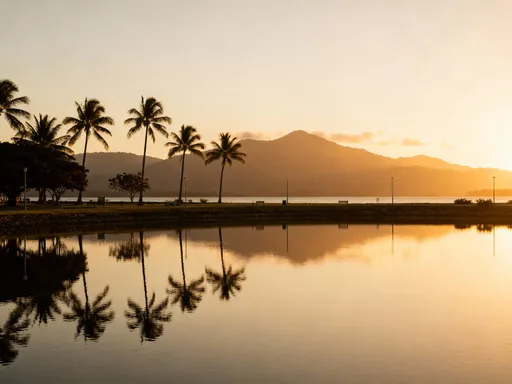
At the heart of Cairns’ public life lies the Esplanade, a dynamic waterfront corridor stretching along the edge of the Coral Sea. More than just a scenic walkway, it functions as the city’s living room—a place where locals gather, tourists wander, and daily rhythms unfold under the shade of coconut palms. The centerpiece of this space is the Cairns Lagoon, a man-made saltwater swimming area that offers a safe, clean alternative to ocean swimming. With its gently sloping edges, lifeguard supervision, and crystal-clear waters, it is especially popular with families and older adults who appreciate a worry-free swim.
The lagoon is free to access and open year-round, reinforcing Cairns’ commitment to inclusive public recreation. Surrounding it are wide paved paths ideal for walking, jogging, or cycling, lined with benches, shaded gazebos, and public art installations. These elements create a layered experience—visitors can swim, sunbathe, read a book, or simply watch the world go by. The Esplanade comes alive at different times of day: early mornings bring fitness enthusiasts and yoga groups; midday sees families cooling off; and evenings transform the area into a social hub, with couples strolling, street performers entertaining, and the scent of grilling food filling the air.
Beyond the lagoon, the Esplanade connects to other key areas, including grassy parks perfect for picnics, outdoor exercise stations, and playgrounds that keep children engaged. Public restrooms, showers, and changing facilities are well maintained and strategically placed, ensuring comfort even during the humid summer months. The integration of native landscaping and coastal vegetation not only enhances aesthetics but also supports local biodiversity. This careful planning turns what could have been a simple beachfront into a multifunctional space that serves health, leisure, culture, and environmental awareness—all within a few hundred meters of the city center.
Flecker Botanic Gardens: A Lush Urban Oasis
Just a short walk from the bustling CBD, the Flecker Botanic Gardens offer a serene retreat into tropical greenery. Established in the 1930s and named after Dr. Hugo Flecker, a pioneering naturalist, these gardens span over 45 hectares and showcase a rich collection of native and exotic plant species. Meandering pathways guide visitors through dense rainforest sections, open lawns, and themed zones such as the palm grove, fernery, and orchid house. Elevated boardwalks allow for immersive exploration of the canopy layer, offering unique perspectives on epiphytes, vines, and birdlife.
One of the most striking features of the gardens is their role in conservation and education. Managed by the Cairns Botanic Gardens Friends, a volunteer group dedicated to preservation, the site functions as both a sanctuary for rare flora and a living classroom. Interpretive signage throughout the grounds provides insights into plant adaptations, ecological relationships, and Indigenous uses of native species. This educational dimension adds depth to the visitor experience, making it more than just a leisurely stroll—it becomes a journey of discovery.
Despite their tranquil atmosphere, the gardens are highly accessible and community-oriented. Barbecue facilities, picnic shelters, and children’s play areas encourage family outings and group gatherings. The gardens also host occasional events such as outdoor concerts, wellness workshops, and school excursions, further embedding them into the social fabric of the city. For those seeking solitude, quiet corners beneath towering fig trees or beside tranquil ponds offer peaceful spots for reflection. The combination of natural beauty, thoughtful design, and public utility makes Flecker Botanic Gardens a true urban treasure—one that nurtures both people and the environment.
The Jetty Pocket Park and Northern Beaches: Quiet Coastal Corners
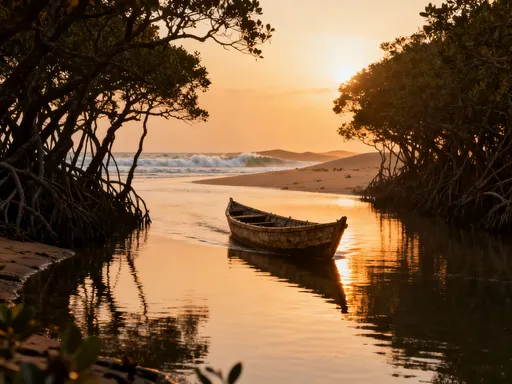
While the Esplanade draws crowds, the northern reaches of Cairns harbor quieter, lesser-known coastal spaces that offer a more intimate connection with the shoreline. Among them, Jetty Pocket Park stands out as a hidden gem—a modest but charming green space nestled along Trinity Inlet. With its wooden boardwalk, fishing platform, and mangrove-fringed edges, it provides a peaceful vantage point to observe the ebb and flow of tidal waters. The park’s low-key design respects the natural environment, allowing visitors to engage with the coastal ecosystem without disrupting it.
This area is particularly appealing to birdwatchers and nature lovers. The mangroves serve as a nursery for fish and a feeding ground for wading birds, including herons, egrets, and kingfishers. At sunrise or sunset, the light filtering through the trees creates a golden glow on the water, making it a favorite spot for photographers and contemplative walkers. Unlike busier beachfronts, Jetty Pocket Park does not have extensive facilities, which adds to its charm—its simplicity invites mindfulness and presence.
Extending further north, the coastline toward Holloways Beach and Yorkeys Knob offers additional opportunities for relaxed seaside enjoyment. These neighborhoods feature wide, open beaches with gentle slopes, ideal for walking, kite flying, or casual swimming. Local cafes and small parks dot the route, providing refreshment without commercial overload. For travelers looking to escape the energy of the city center while remaining within easy reach, these northern zones offer a balanced alternative—coastal serenity with the convenience of urban access.
Lake Morris and the Freshwater Side of Cairns
Just 15 minutes from downtown, Lake Morris presents a refreshing contrast to Cairns’ saltwater coast. Nestled in the foothills of the Mount Whitfield Range, this scenic reservoir is surrounded by a network of walking and mountain biking trails that wind through eucalyptus forests and rainforest pockets. The lake itself is not used for swimming due to its role as a water supply, but its surroundings are a haven for outdoor enthusiasts seeking shade, cool breezes, and panoramic views.
The trail system is well-maintained and graded for various fitness levels, making it accessible to hikers, joggers, and families with older children. One of the most popular routes leads to the Mount Islay Lookout, which offers sweeping vistas of Cairns, the Coral Sea, and the surrounding mountain ranges. Interpretive signs along the way highlight local geology, wildlife, and Indigenous history, enriching the experience with cultural and environmental context. The air here is noticeably cooler and fresher, a welcome relief during the tropical wet season.
Lake Morris also plays a vital role in the city’s recreational infrastructure. It serves as a training ground for runners and cyclists, a peaceful retreat for meditation or journaling, and a classroom for school nature programs. The absence of heavy tourism development preserves its natural tranquility, allowing visitors to feel immersed in the landscape. By offering a freshwater counterpart to the coastal experiences, Lake Morris exemplifies how diverse public spaces can cater to different moods and interests—all within a compact geographic area.
Public Markets and Community Hubs: Where Culture Comes Alive
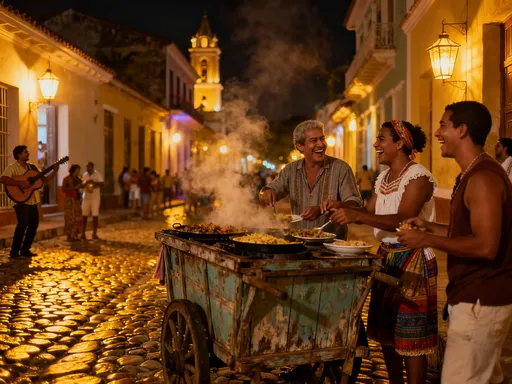
No exploration of Cairns’ public life would be complete without visiting its vibrant markets, which transform ordinary weekends into celebrations of local culture. Rusty’s Market, held every Saturday and Sunday morning in the heart of the city, is the most prominent of these. Spread across a shaded outdoor plaza, it brings together over 200 stallholders offering fresh tropical produce, artisanal foods, handmade crafts, and live music. The sensory experience is immediate—ripe mangoes, sizzling satay, handwoven baskets, and the sound of steel drums create an atmosphere that is both lively and welcoming.
What sets Rusty’s apart from typical tourist markets is its strong local presence. While visitors browse, it is clear that many patrons are residents doing their weekly shopping. This blend of community and tourism fosters authenticity, ensuring that the market remains rooted in everyday life rather than performative spectacle. The emphasis on locally grown and produced goods supports regional farmers and small businesses, reinforcing sustainable economic practices.
Other markets, such as the Cairns Artisans Market and the Night Markets, offer complementary experiences. The Artisans Market focuses on handmade jewelry, textiles, and artworks, often featuring Indigenous designs and storytelling. The Night Markets, though smaller in scale, provide a relaxed evening outing with food trucks, live performances, and casual shopping. Together, these markets function as cultural crossroads—spaces where creativity, commerce, and community converge. They are not just places to buy things but to engage with the stories behind them.
Accessibility and Design: What Makes These Spaces Work
The success of Cairns’ public spaces lies not only in their beauty but in their thoughtful design. Across parks, promenades, and plazas, common features ensure inclusivity and comfort. Shade is a top priority—structures such as pergolas, canopies, and dense tree cover protect users from the intense tropical sun. Seating is abundant and strategically placed, often with views of water or greenery to enhance relaxation. Clean, well-lit restrooms and drinking fountains are regularly maintained, reflecting a commitment to hygiene and accessibility.
Universal access is another hallmark. Ramped pathways, tactile ground indicators, and accessible playground equipment ensure that people with mobility challenges can fully participate in public life. Signage is clear and multilingual, aiding international visitors. Safety is enhanced through good lighting, visible surveillance, and the presence of park rangers or community wardens, particularly in high-use areas like the Esplanade and Flecker Gardens.
Climate-responsive design is perhaps the most impressive aspect. Breezeways are aligned to capture natural airflow, water features provide evaporative cooling, and materials are chosen for their heat-reflective properties. These elements make outdoor spaces usable even during the hottest months, reducing reliance on air-conditioned interiors. Other cities facing similar climates could learn from Cairns’ approach: instead of retreating indoors, it embraces the outdoors through intelligent planning. The result is a city that feels alive, connected, and resilient.
Conclusion: Rediscovering Cairns Through Shared Spaces
Cairns is often framed as a gateway—to coral reefs, to ancient rainforests, to remote islands. But the city itself deserves recognition as a destination of meaning and warmth. Its public spaces tell a story of intentional design, community care, and harmony with nature. They invite travelers not just to pass through, but to pause, participate, and belong—even if only for a morning or an afternoon. In a world where tourism can feel transactional, Cairns offers something different: the chance to experience daily life as locals do, in parks, markets, and quiet corners by the water.
By prioritizing accessible, beautiful, and functional public realms, Cairns sets a standard for what tropical cities can achieve. These spaces are not luxuries—they are essential infrastructure for health, happiness, and social cohesion. They remind us that the soul of a place is not found only in its landmarks, but in the way people gather, rest, and interact in shared environments. For the 30- to 55-year-old traveler—often balancing family, work, and the desire for meaningful experiences—Cairns’ public gems offer a rare blend of ease, authenticity, and rejuvenation.
The next time you find yourself in Cairns, look beyond the brochures and dive into the city’s living spaces. Take a swim at the lagoon, wander the botanic gardens, sip coffee at a market stall, or watch the tide roll in from a quiet bench. Let the rhythm of the city guide you. In these moments of quiet connection, you may discover that the most unforgettable part of your journey wasn’t the reef or the rainforest—but the simple joy of being present in a place that welcomes you, just as you are.