You Won’t Believe What I Saw from Above in Haifa
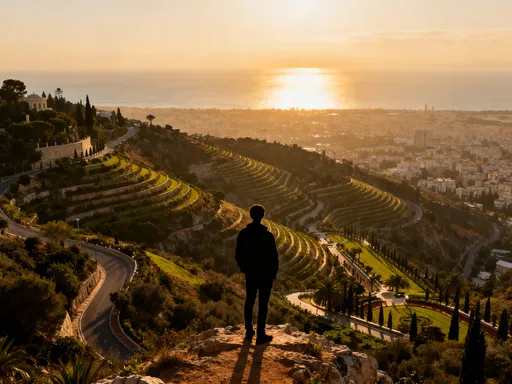
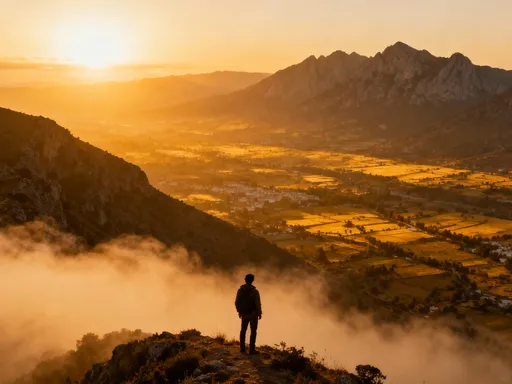
Have you ever stood somewhere and felt like the whole world shifted? That’s exactly what happened when I reached a quiet viewpoint in Haifa. The city unfolded below—terraced hills, shimmering sea, golden light spilling over ancient streets. It wasn’t just a view; it was a moment that redefined how I see travel. In this piece, I’ll take you through the most breathtaking vantage points, the hidden spots locals love, and how to make each glance feel personal, powerful, and profoundly peaceful.
The Magic of Perspective: Why Viewing Matters in Travel
Travel is often measured by miles covered or landmarks visited, but some of the most transformative moments come not from motion, but from stillness. Standing at a high point and looking out over a landscape allows the mind to pause, absorb, and connect in ways that hurried exploration cannot. In Haifa, where the land rises steeply from the Mediterranean Sea, elevation is not just a geographic feature—it’s an invitation to reflection. The city’s unique topography, built along the slopes of Mount Carmel, offers a natural theater of light, color, and movement that unfolds with every upward step. When you gain height, your perspective shifts—not only visually, but emotionally.
Research in environmental psychology consistently shows that exposure to expansive natural views reduces stress and enhances emotional well-being. Panoramic scenes, especially those combining water, greenery, and open sky, activate the parasympathetic nervous system, helping the body relax and the mind reset. In Haifa, this effect is amplified by the interplay of sea and mountain, urban life and cultivated gardens. The act of viewing becomes a form of mindfulness, a deliberate pause in a fast-moving world. It’s not passive observation; it’s an engagement with beauty that can restore a sense of balance and clarity.
What makes Haifa particularly special is how accessible these moments of elevation are. Unlike cities where viewpoints require long hikes or expensive tickets, here, a short walk up a residential street or a quiet climb through a garden path can deliver a sweeping vista. The city’s design encourages looking outward and inward at the same time. Whether from a public terrace, a monastery cliff, or a rooftop café, each vantage point offers more than scenery—it offers a chance to reconnect with oneself. In a world full of noise and distraction, that kind of clarity is rare, and deeply valuable.
Baha’i Gardens: More Than Just a Postcard View
No visit to Haifa is complete without experiencing the Baha’i Gardens, a masterpiece of landscape architecture that cascades down the northern slope of Mount Carmel. While often admired for their symmetry and vibrant floral displays, the gardens offer much more than a picturesque backdrop for photographs. They are a study in harmony—between nature and design, movement and stillness, public space and spiritual intention. The central terrace, aligned with the Shrine of the Báb, provides one of the most iconic views in the city, stretching from the upper gate all the way down to the promenade by the sea. From this height, the gardens resemble a living tapestry, with geometric precision softened by seasonal blooms and the gentle rustle of fountains.
The best time to experience the gardens is early in the morning, shortly after they open. On weekday mornings, especially outside of peak tourist seasons, the pathways are quiet, the air is cool, and the light is soft. This is when the gardens feel most intimate, allowing visitors to walk slowly, breathe deeply, and truly absorb the atmosphere. The scent of jasmine and citrus trees mingles with the distant salt of the sea, creating a sensory experience that grounds the moment. Standing at the midpoint terrace, where the view opens fully, one can see how each level of the garden frames the next, drawing the eye downward in a graceful descent toward the coastline.
While the gardens are a place of beauty, they are also a place of respect. Visitors are asked to dress modestly and maintain a quiet demeanor, not as a rule, but as an invitation to presence. The silence here isn’t imposed—it’s earned through the effort of climbing, the slowing of pace, and the awareness of being in a space designed for contemplation. For families and individuals alike, this is an opportunity to model mindful travel: to look closely, speak softly, and move with intention. The gardens are not just to be seen; they are to be felt, remembered, and carried forward as a standard for how beauty and order can inspire peace.
Mount Carmel’s Hidden Lookouts: Off the Tourist Path
Beyond the well-known attractions, Mount Carmel holds a network of lesser-known lookouts that offer unfiltered views of Haifa and the Mediterranean. These spots are not marked on most tourist maps, but they are cherished by locals who know the quiet power of a spontaneous vista. Winding residential streets in neighborhoods like Denya, Ein HaYam, and upper Kababir lead to unexpected clearings where the city spreads out below like a living map. Unlike formal viewpoints, these places have no railings, no signs, no crowds—just the open sky and the hum of distant life.
One of the most rewarding ways to discover these hidden vantage points is by walking. A gentle trail that connects Ein HaYam to the Stella Maris area, for example, follows the ridge line and offers continuous glimpses of the sea between clusters of pine and eucalyptus trees. The path is not paved, but it’s well-trodden and safe, suitable for casual walkers and families with older children. Along the way, small stone benches appear at natural resting points, placed there by the community for those who wish to pause. These moments of unstructured beauty—where a bend in the trail reveals a sudden panorama—are often the most memorable.
What makes these hidden lookouts special is their sense of discovery. There’s no admission fee, no schedule, no expectation. You arrive by choice, stay as long as you like, and leave when you’re ready. The view changes with the hour: in the morning, the light gilds the rooftops; in the afternoon, shadows stretch across the hills; at dusk, the city lights begin to flicker like stars. This kind of slow travel—moving without urgency, observing without agenda—creates a deeper bond with a place. It’s not about checking a box, but about letting the landscape speak on its own terms.
Sunset at Stella Maris: A Moment of Stillness
Perched on a cliff overlooking the Mediterranean, the Stella Maris Carmelite Monastery offers one of Haifa’s most serene sunset experiences. While the monastery itself is a place of worship, the surrounding area is open to visitors seeking peace and perspective. The view from the cliff edge is unobstructed—waves crash below, ships glide along the horizon, and the sky transforms in a slow, silent performance of color. As the sun dips toward the water, the light turns golden, then amber, then deep rose, casting a warm glow over the city and the sea.
What sets this spot apart is its atmosphere. Despite its accessibility, the area remains remarkably quiet. Visitors speak in hushed tones, if at all. The scent of pine trees mingles with the cool sea breeze, and the rhythmic sound of waves creates a natural meditation. There are no vendors, no loudspeakers, no distractions—just the elements and the moment. This is not a performance for tourists; it’s a daily ritual of nature that happens with or without an audience. Being there feels like a privilege, not a right.
For those planning to visit, timing is key. Arriving about 45 minutes before sunset allows time to find a comfortable spot and settle in. Parking can be limited, especially on weekends, so arriving early or using public transportation is advisable. After sunset, several small cafés in the nearby neighborhood offer warm drinks and light snacks—perfect for lingering and reflecting. The experience at Stella Maris is not just about the view; it’s about the stillness that follows, the quiet that settles in the heart long after the light has faded.
Urban Vistas: Rooftops, Cafés, and Everyday Beauty
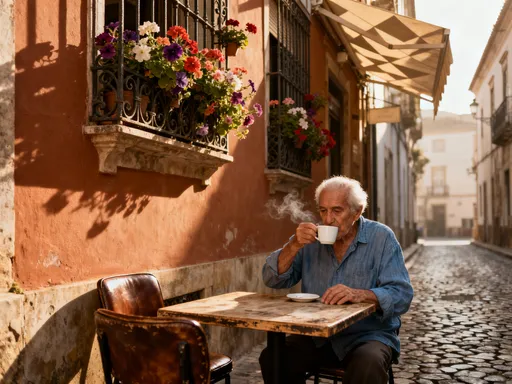
While high vantage points offer sweeping panoramas, Haifa’s charm also reveals itself at street level—and just above it. In neighborhoods like Wadi Nisnas and the German Colony, rooftop terraces and café balconies provide intimate, human-scale views of daily life. These urban perspectives are different from mountain lookouts; they frame the city through the lens of community, architecture, and culture. Sitting with a cup of coffee on a shaded patio, you might watch neighbors greeting each other, children playing in a courtyard, or laundry swaying gently on a line between buildings.
One of the most beloved spots for this kind of observation is a small café in the German Colony, where the patio overlooks a quiet garden square. The building, originally constructed in the late 19th century by German Templers, retains its arched windows and red-tiled roof, offering a glimpse into Haifa’s layered history. From this height—just one story up—the view is not about distance, but about detail. The way sunlight hits a mosaic wall, the sound of a door closing, the laughter from an open window—these are the moments that make a place feel alive.
Other accessible rooftops can be found in community centers and cultural houses in Wadi Nisnas, where local art exhibitions and music events often take place. Some of these spaces open their terraces to the public during festivals or on weekends, offering not just views, but connections. Architecture here plays a key role in framing the experience—stone arches, wooden beams, and wrought-iron railings create natural picture frames for the city beyond. These urban vantage points remind us that beauty isn’t only found in grand vistas; it’s also woven into the everyday fabric of life.
How to Deepen Your Viewing Experience: A Practical Approach
To truly benefit from Haifa’s visual gifts, it helps to approach viewing with intention. Like any meaningful practice, deep observation can be cultivated. Start by arriving early—whether at the Baha’i Gardens, a mountain trail, or a café terrace. The first light of day brings clarity, both literal and emotional. Mornings are quieter, temperatures are cooler, and the mind is more receptive. Bring minimal distractions: leave the phone in your bag, or use it only to take one photo at the end. The goal is not to document, but to experience.
Consider bringing simple tools to enhance your focus. A small pair of binoculars can reveal distant details—a bird in flight, a sailboat tacking toward port, the pattern of tiles on a rooftop. A small notebook and pen allow you to jot down impressions, not for publication, but for memory. Writing a few sentences about what you see and how it makes you feel can deepen the emotional impact of a moment. Some travelers find it helpful to pair stillness with light movement—hiking to a viewpoint, then sitting in silence for ten or fifteen minutes. This rhythm of effort and rest mirrors the natural flow of attention and reflection.
Another powerful practice is revisiting the same spot at different times. Return to a favorite terrace in the morning, afternoon, and evening. Notice how the light changes, how the mood shifts, how your own feelings evolve. This repetition builds familiarity and intimacy, turning a place from a destination into a companion. Over time, you may find that certain views become anchors—mental images you return to in moments of stress or uncertainty. By defining your own viewing rhythm, you transform sightseeing into a personal ritual of renewal.
Why Haifa Stays With You: The Lasting Power of a Gaze
Months after leaving Haifa, many travelers find that certain images remain vivid in their minds: the golden glow on the Baha’i Gardens, the endless blue of the Mediterranean from Stella Maris, the quiet alleyways of Wadi Nisnas bathed in afternoon light. These visual imprints are more than memories—they become emotional touchstones, moments of calm that can be recalled at will. The power of a gaze, it turns out, is not fleeting. When we truly see a place—when we stand still, open our eyes, and let the world in—we create lasting inner landscapes.
Haifa, with its layered hills and open horizons, offers more than scenic beauty. It offers a model for mindful travel—one that values depth over speed, presence over possession. In a city where elevation is both physical and symbolic, every upward glance becomes a chance to rise above the ordinary. The views do not just show the city; they reflect the observer, revealing what we carry inside. In the silence between waves, in the stillness of a garden, in the warmth of a rooftop at dusk, we find not just beauty, but balance.
True travel is not about how many places you visit, but about how deeply you experience them. Haifa teaches that sometimes, the most profound journeys happen without moving at all. They happen when you stand at the edge of a cliff, when you pause on a garden path, when you sit with a cup of coffee and simply look. So go, find your viewpoint, and let the view change you. Because in the end, the places we see become part of who we are.