What No One Tells You About Study Tour Costs and Risks
You’re excited—your child got into a school-organized study tour abroad. It sounds amazing: cultural immersion, global exposure, once-in-a-lifetime experiences. But behind the glossy brochures, there’s a financial side no one talks about. I’ve seen families unprepared for hidden fees, last-minute cancellations, and unexpected costs that turned dreams into stress. Let’s unpack the real financial risks—and how to protect yourself without missing out.
The Allure and Reality of Study Tour Programs
Study tours are often presented as essential milestones in a child’s educational journey. Schools, educators, and promotional materials describe them as opportunities for personal growth, academic enrichment, and cultural understanding. These trips are framed not just as travel, but as investments in a child’s future—building independence, global awareness, and leadership skills. For many parents, especially those between the ages of 30 and 55, the idea of supporting such an experience feels both natural and necessary. The emotional appeal is strong: seeing your child walk through ancient ruins, engage in classroom exchanges, or practice a foreign language abroad seems worth any cost.
Yet beneath this compelling narrative lies a less-discussed reality. While the educational value of study tours can be real, the financial structure behind them is often opaque. Many parents assume that because a program is affiliated with a school, it carries institutional oversight and financial safeguards. This assumption, however, can be misleading. Schools frequently partner with third-party travel organizations that manage logistics, pricing, and risk—but not always with full transparency. In some cases, the school acts only as a facilitator, collecting payments and passing them along without direct control over the organizer’s operations. This means that if something goes wrong, the school may not be legally or financially responsible.
The decision-making process is often accelerated by deadlines and peer influence. When other families sign up quickly, there’s social pressure to follow. Brochures highlight the best-case scenarios—smiling students on guided tours, certificates of participation, testimonials from past travelers—but rarely mention what happens if flights are canceled, if a student falls ill, or if geopolitical tensions disrupt travel plans. Parents may feel they are making an informed choice, but in truth, they are often reacting to emotion rather than evaluating risk. The result? A significant financial commitment made before all the facts are known.
Furthermore, the language used in program descriptions can subtly shift responsibility onto the family. Phrases like "participants are responsible for securing visas" or "families must cover incidental expenses" are common, yet they are often buried in fine print. What starts as a $4,000 package can quickly become a $7,000 obligation once all individual costs are added. The gap between expectation and reality grows wider when families realize that even basic services—like airport transfers or meal allowances—are not always included. Understanding this disconnect is the first step toward making a truly informed decision.
Mapping the Full Cost Structure
When a study tour is first introduced, the price tag might seem straightforward: a single figure presented in bold font on a flyer or website. But this base cost is rarely the full picture. It’s more accurate to think of it as an entry point—a starting number that opens the door to a cascade of additional expenses. Families who fail to account for these layers can find themselves financially strained, even if they budgeted carefully at the outset. The true cost of a study tour includes both predictable and unpredictable elements, each of which deserves close attention.
One of the first hidden costs is travel documentation. Visas, passport renewals, and expedited processing fees can add several hundred dollars per student. Some countries require specific forms, biometric appointments, or notarized letters from schools, all of which take time and money. Vaccinations and medical clearances are another often-overlooked expense. Depending on the destination, students may need immunizations that aren’t covered by standard health plans. Clinics that specialize in travel medicine typically charge per dose, and multiple shots may be required weeks in advance.
Then there are the logistical items: luggage, adapters, travel-sized toiletries, weather-appropriate clothing, and communication devices. While these may seem minor, they add up quickly—especially if a family needs to purchase new gear. Some programs recommend or require specific equipment, such as noise-canceling headphones for long flights or GPS trackers for safety. These suggestions, though well-intentioned, contribute to what economists call "ancillary spending"—costs that feel optional but become functionally mandatory in practice.
Insurance is another critical layer. Many schools require families to purchase travel insurance, but not all policies are created equal. Basic plans may cover medical emergencies but exclude trip cancellations due to political unrest or personal reasons. Some exclude pre-existing conditions or impose strict deadlines for filing claims. Parents who assume they’re protected may later discover gaps in coverage that leave them liable for thousands in unexpected costs. Emergency funds are also essential. Even if everything goes according to plan, students may need extra money for souvenirs, meals not included in the itinerary, or unforeseen transportation needs. Financial advisors often recommend setting aside 10–15% of the total trip cost as a buffer for such expenses.
Finally, there are program-specific surcharges. Organizers may adjust pricing based on fluctuating exchange rates, fuel costs, or group size. If the number of participants falls below a certain threshold, some companies impose a “small group fee” to cover fixed costs. Others charge extra for room upgrades or dietary accommodations. In some cases, non-refundable deposits—sometimes as high as 30% of the total cost—are required within days of registration, locking families into the commitment before all details are confirmed. When all these elements are combined, a $5,000 trip can easily exceed $7,500 by departure day. Recognizing this full cost structure is essential for responsible financial planning.
Hidden Financial Risks No One Mentions
Beyond the visible costs lies a deeper layer of financial vulnerability: the risk of loss due to circumstances outside a family’s control. Natural disasters, pandemics, political instability, and airline bankruptcies are real possibilities that can derail a trip—even after full payment has been made. What many parents don’t realize is that most study tour programs offer limited refund policies, and in some cases, no refunds at all after certain deadlines. This means that if a trip is canceled due to unrest in the host country, families may still lose their entire investment.
Travel insurance is often seen as a safety net, but it’s not a guarantee. Standard policies may not cover school-organized group travel under the same terms as individual vacations. Some exclude cancellations due to “known events,” such as an ongoing conflict or a public health advisory that existed at the time of purchase. Others require proof that the cancellation was officially declared by a government body—a high bar that may not be met even when travel is unsafe. There have been documented cases where families filed claims only to be denied because the program wasn’t listed as a covered provider or because the reason for cancellation wasn’t deemed “insurable.”
Even more concerning are the risks associated with third-party organizers. While many are reputable and experienced, others operate with minimal oversight. There have been instances where small travel companies collected deposits from multiple families, then disappeared before the trip date—taking the money with them. In one reported case, a family lost over $6,000 when the organizer failed to secure flights or accommodations and ceased communication entirely. Because these arrangements were made outside formal banking protections, recovery was nearly impossible.
Lack of transparency in fund management is another common issue. Some programs do not disclose how money is held—whether in escrow accounts, trust funds, or personal business accounts. Without this information, families cannot know if their payments are protected. If the organizer goes out of business, funds may not be recoverable. Additionally, some contracts contain clauses that allow the provider to unilaterally change itineraries, increase prices, or substitute destinations without offering a refund. These terms are often written in dense legal language, making them difficult for parents to fully understand before signing.
The question every family should ask is simple: Who holds the money, and what happens if plans change? If the answer isn’t clear, the financial risk is high. This lack of accountability transforms what should be an educational opportunity into a speculative financial gamble. By acknowledging these hidden risks, families can begin to demand greater transparency and protection before committing.
Risk Assessment: A Framework for Smarter Decisions
Making a sound financial decision about a study tour requires more than enthusiasm—it demands a structured approach to risk evaluation. Instead of relying on emotion or peer pressure, families should treat this choice like any other major financial commitment. This means conducting due diligence, asking the right questions, and verifying claims before writing a check. A practical risk assessment framework can help parents move from blind trust to informed participation.
The first step is to evaluate the credibility of the provider. If the program is run by a third-party company, research its track record. Look for reviews from past participants, check its registration status with local business authorities, and verify whether it belongs to a recognized travel association. Reputable organizations often display certifications or memberships that signal adherence to industry standards. If the organizer has no online presence, minimal contact information, or refuses to provide references, that should raise a red flag.
Next, review the refund and cancellation policy in detail. A responsible provider will offer a tiered structure: higher refunds early in the process, decreasing as the trip date approaches, with clear cutoff points. Be wary of contracts that state “no refunds after deposit” or that allow the organizer to keep all funds regardless of the reason for cancellation. Ask whether funds are held in an escrow or trust account, which offers some protection if the company fails. If the money goes directly into a personal account, the risk of loss increases significantly.
Insurance coverage must also be verified—not just that it’s required, but what it actually covers. Request a copy of the policy and read the exclusions section carefully. Does it cover trip interruption? Medical evacuation? Cancellation due to political unrest? If the answer is unclear, contact the insurer directly. Some schools partner with specific insurance providers; in those cases, confirm whether the policy was designed for group educational travel or adapted from a standard vacation plan.
Communication responsiveness is another important indicator. A reliable organizer should respond promptly to inquiries, provide detailed itineraries, and be transparent about costs. If emails go unanswered for days or if information is vague, that may reflect poor management. Test this early by asking specific questions about safety protocols, emergency contacts, and staff qualifications. The quality of the response can reveal a lot about how the program will be run.
Finally, confirm the nature of the school’s involvement. Is the school merely endorsing the trip, or is it actively managing logistics and finances? If it’s the latter, there may be greater accountability. Ask whether the school has conducted site visits, reviewed contracts, or established a grievance process for families. The more institutional oversight there is, the lower the financial risk. By applying this framework, families can shift from passive acceptance to active decision-making—protecting both their money and their peace of mind.
Smart Planning: How to Protect Your Investment
Financial preparedness is the best defense against unexpected costs and losses. Rather than reacting to deadlines, families should adopt a proactive approach to funding and risk management. This begins with creating a dedicated savings plan specifically for the study tour. Setting aside a fixed amount each month—automatically, if possible—helps build the necessary funds without straining the household budget. Financial experts recommend starting at least 12 to 18 months in advance, especially for international trips that cost $5,000 or more.
When making payments, always use traceable methods. Credit cards offer the strongest consumer protections, including chargeback rights if a service is not delivered. Bank transfers or cash payments, while sometimes requested, offer little recourse if something goes wrong. If a provider insists on non-traceable payment, that should be a warning sign. Keep detailed records of every transaction, including receipts, emails, and contract copies. These documents may be essential if a dispute arises.
Timing is another critical factor. Avoid making large upfront payments before key details are confirmed—such as flight bookings, accommodation addresses, or staff credentials. If possible, structure payments in phases: a small deposit to reserve a spot, followed by incremental installments tied to specific milestones. This reduces exposure and gives families the opportunity to reassess if concerns emerge.
Equally important is developing a personal contingency budget. This should include funds for emergencies, such as a medical issue abroad or an early return home. It should also account for the possibility of total loss—if the trip is canceled and no refund is available, can the family absorb that cost without financial hardship? Running this scenario in advance helps identify vulnerabilities and encourages more cautious decision-making.
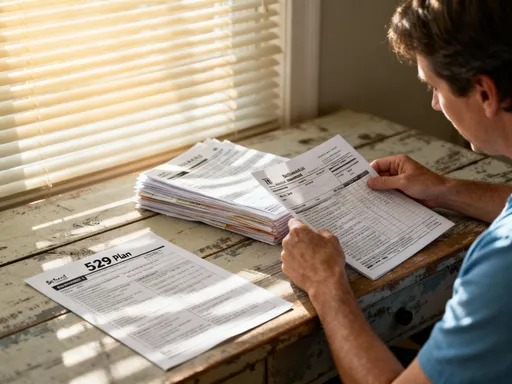
Consider consulting a financial advisor, especially if the trip represents a significant portion of annual income. They can help assess affordability, recommend appropriate insurance, and suggest ways to minimize tax implications or use education savings accounts if applicable. Some families use 529 plans for qualified educational expenses; while study tours typically don’t qualify, understanding the boundaries can prevent costly mistakes.
Finally, involve the child in the process. Teaching them about budgeting, financial responsibility, and risk awareness turns the experience into a lesson that extends beyond the trip itself. They can contribute by saving allowance money, researching destinations, or helping track expenses. This shared responsibility fosters maturity and makes the journey more meaningful—both educationally and financially.
When Things Go Wrong: Managing Financial Fallout
Despite careful planning, unforeseen events can still disrupt a study tour. When they do, how a family responds can significantly affect the financial outcome. The first step is to remain calm and gather all relevant information. If the trip is canceled or delayed, request an official notice from the organizer, including the reason and any policy references. This documentation is crucial for insurance claims and potential disputes.
Next, review the contract and refund policy. If the organizer is not offering a refund that seems fair, initiate a polite but firm conversation. Ask for a detailed explanation and request alternatives—such as credit toward a future trip or partial reimbursement. In some cases, group negotiation with other affected families can increase leverage. If the organizer refuses to cooperate, consider filing a complaint with consumer protection agencies or travel associations.
Filing an insurance claim requires attention to detail. Submit all required forms promptly, along with supporting documents like receipts, emails, and the cancellation notice. Follow up regularly and keep records of all communication. If the claim is denied, request a written explanation and consider appealing. Some policies allow for third-party review, which may overturn an initial rejection.
Emotional resilience is also key. It’s natural to feel disappointed or frustrated, especially after investing time and money. But making impulsive decisions—such as paying more to “salvage” a compromised trip—can worsen the financial impact. Knowing when to accept a loss and move on is a sign of strength, not failure.
Real stories show that families who act early, document thoroughly, and seek expert advice often recover at least part of their losses. One family, after their European tour was canceled due to airline strikes, successfully filed a claim by proving that the organizer had not secured confirmed flights. Another negotiated a 50% refund by showing that the contract did not allow for unilateral itinerary changes. These outcomes were not automatic—they resulted from careful preparation and disciplined follow-through.
Building Long-Term Financial Confidence
The lessons learned from navigating study tour costs extend far beyond a single trip. They form the foundation of long-term financial confidence—a mindset that empowers families to approach all major expenses with clarity and control. Whether it’s college tuition, home repairs, or medical bills, the principles of research, transparency, and contingency planning remain the same. By treating education-related spending with the same rigor as any investment, families can avoid regret and make choices that align with both their aspirations and their financial reality.
Transparency becomes a habit. Asking for contracts, verifying credentials, and understanding terms are skills that protect against poor decisions in any context. So does building emergency funds and maintaining detailed records. These practices don’t eliminate risk, but they reduce vulnerability and increase resilience.
Moreover, involving children in financial discussions teaches them responsibility and critical thinking. They learn that dreams require planning, that choices have consequences, and that protection is part of preparation. These are life skills that will serve them long after the trip is over.
In the end, study tours can be valuable experiences—but only when approached with eyes wide open. The goal is not to avoid them, but to engage with them wisely. By balancing excitement with caution, emotion with analysis, families can create meaningful opportunities without sacrificing financial stability. That balance is the true measure of success.