What I Learned About Money While Working Abroad — The Hard Way
Moving overseas for work felt like winning the career lottery—until I nearly lost everything to financial mistakes no one warned me about. From hidden taxes to broken budgets, I navigated a maze of money traps abroad. This is my real story of what went wrong, what saved me, and how smart financial planning turned things around. If you're working overseas or thinking about it, these lessons could protect your future. What seemed like a golden opportunity quickly became a financial wake-up call, revealing how fragile even a high income can be without proper management. The truth is, earning more doesn’t always mean saving more—especially when you’re far from home and navigating unfamiliar systems.
The Dream That Almost Became a Financial Nightmare
Accepting a job offer in a bustling international city was supposed to be the culmination of years of hard work. The salary was nearly double what I had earned back home, the cost of living was said to be manageable, and the lifestyle promised cultural richness and professional growth. I imagined saving aggressively, traveling on weekends, and returning home with a strong financial foundation. But within six months, I was staring at a near-empty bank account, confused and stressed. The dream had morphed into a financial nightmare—not because I was irresponsible, but because I had failed to plan for the complexities of earning and living abroad.
The initial excitement masked critical financial blind spots. I assumed that because my paycheck was large in local currency, I had financial breathing room. But I didn’t account for the taxes I’d owe in two countries, the high cost of international healthcare, or the fees that ate into every transfer I sent home. I upgraded my lifestyle without realizing that many of my new expenses were not temporary luxuries but permanent drains. Dining out frequently, leasing a modern apartment, and using ride-sharing services added up faster than I anticipated. What I thought was a sustainable rhythm was actually a slow financial bleed.
More troubling was the emotional toll. I felt isolated, far from family and trusted financial advisors. When I tried to research solutions online, I was overwhelmed by conflicting advice and technical jargon. I began to question whether I had made a terrible mistake. But that moment of crisis also became a turning point. I realized that if I didn’t take control of my finances, the experience wouldn’t just be a professional setback—it could derail my long-term financial health. The dream wasn’t the problem; the lack of preparation was. From that point on, I committed to understanding the real financial mechanics of working abroad, not just the surface-level benefits.
Income Gains vs. Hidden Costs: The Real Paycheck Check
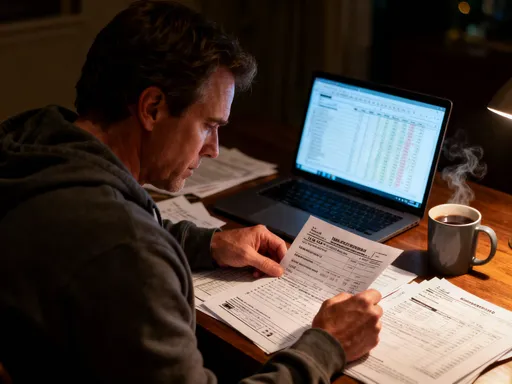
On paper, my salary was impressive. When I first saw the number in my local bank account, I felt a surge of accomplishment. But after a few months, I noticed something alarming: despite earning more than ever, I wasn’t saving. In fact, I was spending down my emergency fund just to keep up. The reason? A growing list of hidden costs that weren’t deducted from my paycheck but quietly drained my balance. This was the first major lesson in the difference between gross income and real financial gain.
One of the biggest shocks was double taxation. Because I was still considered a tax resident in my home country for part of the year, I ended up owing taxes in both nations. Without a tax treaty in place or proper planning, I faced a significant liability. I also discovered that my employer didn’t contribute to a pension plan recognized back home, meaning I lost out on long-term retirement benefits. Healthcare was another gap. While my employer provided local coverage, it didn’t extend internationally, and the out-of-pocket costs for prescriptions and specialist visits were high.
Then there were currency exchange losses. Every time I transferred money home, I lost between 2% and 5% in unfavorable rates and transfer fees. Over the course of a year, those losses amounted to the equivalent of a month’s rent. I began tracking every expense and recalculating my true take-home pay—not just what was deposited, but what I could actually afford to save or send. Once I accounted for taxes, insurance, transfers, and daily living costs, my effective income was nearly 30% lower than I had expected. This reality check forced me to redefine financial success—not by the size of my paycheck, but by the sustainability of my spending and the growth of my savings.
Banking Across Borders: Where Money Gets Lost
Managing money across countries turned out to be one of the most frustrating parts of my overseas experience. I opened accounts with three different banks in two years, each promising low fees and seamless international access. But in practice, I faced long processing times, unexpected charges, and confusing fee structures. One bank charged me for incoming transfers from my home country. Another applied a poor exchange rate without warning. A third froze my account temporarily due to 'suspicious activity' when I made a routine transfer—causing a delay that left me short on rent.
Transferring money home became a costly routine. I used four different services, including traditional banks, online platforms, and peer-to-peer apps. Some advertised 'zero fees' but made their profit through hidden markups on exchange rates. Others charged flat fees that made small transfers inefficient. I learned the hard way that even a 1% difference in exchange rates could cost hundreds of dollars over time. For example, transferring $2,000 monthly at a 3% worse rate than the mid-market price meant losing $720 annually—money that could have gone toward savings or debt reduction.
The solution came when I streamlined my approach. I consolidated my accounts to two: one local account for daily expenses and one international account with multi-currency capabilities. I began using a digital banking service known for transparent exchange rates and low fees, which allowed me to hold and convert money in multiple currencies without constant transfers. I also scheduled regular transfers in advance to avoid last-minute decisions and emotional spending. Setting up automatic payments for recurring bills reduced the risk of missed deadlines and late fees. Most importantly, I kept a detailed record of every transaction, enabling me to spot discrepancies and negotiate with banks when overcharged. Over time, I reduced my banking-related expenses by more than half and regained a sense of control over my finances.
Tax Traps Every Overseas Worker Should Know
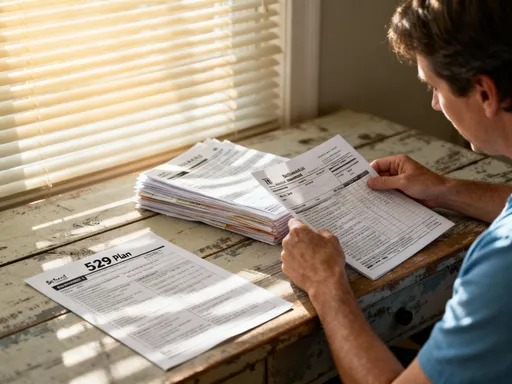
Taxes were the most intimidating part of my financial journey abroad. I had always filed my returns on time back home, but the rules changed when I moved overseas. I didn’t realize that my tax residency status could shift based on how many days I spent in each country. After staying abroad for more than 183 days in a calendar year, I became a tax resident in the host country—meaning I owed taxes on my worldwide income there. At the same time, my home country still considered me liable for certain taxes, creating a risk of double taxation.
The wake-up call came when I received a notice from my home country’s tax authority asking for documentation on foreign income. I had not kept detailed records and nearly missed the deadline. I also discovered that I had lost eligibility for a tax-free savings account because I was no longer a resident. Without professional guidance, I might have underreported or overpaid, both of which could have led to penalties. I finally consulted a cross-border tax advisor who helped me understand tax treaties, foreign tax credits, and reporting requirements like FBAR or equivalent declarations in other countries.
We reviewed my situation and implemented a strategy that minimized my liabilities while ensuring compliance. I began filing dual returns where necessary and claiming credits to avoid double taxation. I also started keeping a travel log to track my days in each country, which helped determine my tax residency each year. The advisor emphasized that tax planning shouldn’t be reactive—it should be part of the initial decision to work abroad. I learned that many expatriates assume their employer handles all tax matters, but that’s rarely the case. Taking ownership of tax responsibilities early saved me thousands and prevented legal complications. The lesson was clear: ignorance is not an excuse when it comes to international tax law.
Building a Safety Net Far From Home
One of the most sobering moments of my time abroad was a sudden health issue that required emergency care. I assumed my employer-provided insurance would cover most of the costs, but I was wrong. The policy had high deductibles, excluded certain treatments, and didn’t fully reimburse me for specialist consultations. After paying out of pocket, I realized how vulnerable I was without a proper safety net. I had no family nearby to help financially, and my savings were already strained. That experience was a turning point in how I viewed financial security.
I knew I needed an emergency fund, but I hadn’t prioritized it. I began by setting a goal: three to six months’ worth of essential living expenses in a liquid, accessible account. I automated monthly transfers to a high-yield savings account denominated in my home currency, so the money would be available if I returned unexpectedly. I also researched international health insurance plans that offered broader coverage, including medical evacuation and chronic condition management. While more expensive than local plans, the peace of mind was worth the cost.
Beyond health, I considered other risks. Job loss in a foreign country could mean not only lost income but also visa cancellation and the need to relocate quickly. I expanded my emergency fund to include potential relocation costs, legal fees, and a buffer for job searching back home. I also reviewed my life and disability insurance coverage, ensuring they remained valid abroad. Building this safety net wasn’t glamorous, but it gave me confidence. I no longer feared a single setback could wipe me out. Financial resilience, I learned, isn’t about avoiding risk—it’s about preparing for it.
Investing Across Time Zones: Staying on Track
Investing felt nearly impossible when I was working long hours in a different time zone. My home country’s markets were closed when I was free to manage my accounts. I missed contribution deadlines for retirement accounts and hesitated to make decisions without real-time advice. Over time, my investments stagnated, and I fell behind on long-term goals. I knew I needed a better system—one that didn’t rely on constant monitoring or perfect timing.
The breakthrough came when I adopted an automated investment strategy. I opened an international brokerage account that allowed me to invest in low-cost index funds and ETFs across global markets. I set up automatic contributions from my salary each month, ensuring consistent growth regardless of market fluctuations. I diversified across asset classes and regions to reduce exposure to any single economy. This approach minimized emotional decision-making and eliminated the need to time the market.
I also reviewed fees carefully. Some platforms charged high management fees or currency conversion costs that eroded returns. By choosing a provider with transparent pricing and low expense ratios, I preserved more of my gains. I scheduled quarterly reviews to rebalance my portfolio and adjust contributions as my income changed. Over time, this disciplined approach helped me rebuild my investment momentum. I learned that successful investing abroad isn’t about chasing high returns—it’s about consistency, cost control, and staying the course even when life is complicated.
The Long Game: Planning Beyond the Assignment
My overseas job was always meant to be temporary, but I almost returned home with little to show for it. I had spent most of my income, taken on some debt, and made minimal progress toward long-term goals like homeownership or retirement. That realization sparked a shift in mindset. I began asking myself not just how to survive abroad, but how to thrive financially and build lasting wealth. This meant thinking beyond the assignment and aligning my overseas earnings with a clear long-term vision.
I started with repatriation planning. I estimated the costs of returning home—shipping belongings, finding housing, and covering living expenses during a potential job search. I set aside a dedicated fund for this transition, ensuring I wouldn’t dip into retirement savings. I also reviewed my debt situation. While I had avoided high-interest credit card debt, I had taken out a personal loan for a car abroad. I accelerated my repayment plan to enter the next phase of life debt-free.
Next, I reconnected my overseas income to long-term goals. I calculated how much of my higher salary I could realistically save and invested it in accounts that would remain accessible after my return. I also worked with a financial planner to project my retirement needs and adjust my contributions accordingly. The goal was no longer just to earn more, but to convert that income into sustainable financial strength. By the time my assignment ended, I had rebuilt my savings, reduced my liabilities, and gained valuable financial discipline. What started as a near-disaster became a foundation for future security.
Conclusion
Working overseas changed my life in ways I never expected—not just through new experiences and career growth, but through a profound transformation in how I manage money. The financial mistakes I made were painful, but they were also powerful teachers. I learned that income alone doesn’t guarantee security, that hidden costs can erode even the highest salaries, and that planning is the most valuable currency when living abroad. The journey taught me to look beyond the surface of opportunity and ask the hard questions about taxes, banking, risk, and long-term goals.
Today, I view financial health as a skill that must be actively maintained, especially in complex international environments. The tools and strategies I developed—automated savings, cross-border tax compliance, emergency funds, and disciplined investing—are now permanent parts of my financial life. For anyone considering or currently working abroad, the message is clear: the rewards are real, but so are the risks. With careful planning, awareness, and proactive management, a temporary overseas assignment can become a cornerstone of lasting financial well-being. The world is full of opportunities, but only those who prepare wisely can truly benefit from them.