How I Crushed My Debt While Staying Tax-Smart — Real Talk
Dealing with debt can feel like running on a treadmill—exhausting but going nowhere. I’ve been there, overwhelmed by payments and scared of tax mistakes making it worse. But after cleaning up my finances the right way, I discovered a path that actually worked. It wasn’t magic—just smart, legal moves that reduced my debt while keeping me fully tax compliant. Here’s how I did it, and how you can too.
The Breaking Point: When Debt and Taxes Felt Like a Trap
There was a time when every envelope with a government logo made my heart race. I wasn’t just behind on credit card bills and a personal loan—I was also dreading tax season because I wasn’t sure if I’d reported everything correctly. I had taken on side work to cover expenses, but I hadn’t consistently tracked that income or set aside money for taxes. The fear wasn’t just about owing money; it was about the penalties, the calls, and the sense that one mistake could collapse everything I was trying to rebuild.
That moment of clarity came in January, when I opened a letter from the tax authority. It wasn’t an audit, but it was close—a notice questioning a discrepancy in my previous year’s return. My stomach dropped. I had deducted home office expenses, but I couldn’t prove square footage or exclusive use. I paid the additional amount due, plus interest, and it wiped out my small emergency fund. That was the wake-up call. I realized that trying to manage debt while ignoring tax responsibilities wasn’t just risky—it was self-sabotage. Every dollar I saved by cutting corners could cost me three in penalties, and every unreported income stream was a ticking time bomb.
What made the situation worse was the cycle it created. Because I owed more in taxes, I put even more on my credit card. Because my credit card balance grew, my minimum payments rose. Because I was paying more in interest, I had less to save or invest. And because I was financially stretched, I made more careless tax decisions. It wasn’t just poor money management—it was a system failure. I had treated debt repayment and tax compliance as separate problems, but they were feeding each other. The trap wasn’t just high interest or low income. The trap was thinking I could fix one without fixing the other.
Why Debt Repayment and Tax Compliance Go Hand in Hand
Many people don’t realize that unpaid taxes are not just a government issue—they’re a debt. And not just any debt: a priority debt that accrues penalties and interest faster than most credit cards. When you fail to pay what you owe on time, the tax authority can file a lien against your property, which shows up on your credit report and makes it harder to refinance or qualify for new credit. In severe cases, they can even initiate wage garnishment, taking money directly from your paycheck before you see it. This isn’t hypothetical—it happens to thousands of people every year, often because they didn’t understand the stakes.
At the same time, tax compliance affects your ability to manage other debts. Lenders check your tax returns when you apply for loans, especially for larger obligations like mortgages or debt consolidation. If your income is underreported or inconsistent, they may see you as a higher risk and either deny your application or offer less favorable terms. That means higher interest rates, which make it harder to get ahead. Even if you’re making progress on your credit cards, a messy tax history can block access to better financial tools that could help you accelerate that progress.
On the flip side, staying current with your taxes gives you more control over your debt. When you file accurately and pay what you owe, you avoid surprise bills that derail your budget. You also open the door to tax refunds, which can be redirected into debt repayment. More importantly, you build a clean financial record that supports better borrowing terms in the future. Think of tax compliance as the foundation of your financial house. You can’t build a strong debt repayment plan on a shaky base. When both systems work together—accurate reporting and disciplined spending—the result is not just survival, but momentum.
Step One: Organizing Your Financial Picture Without Panic
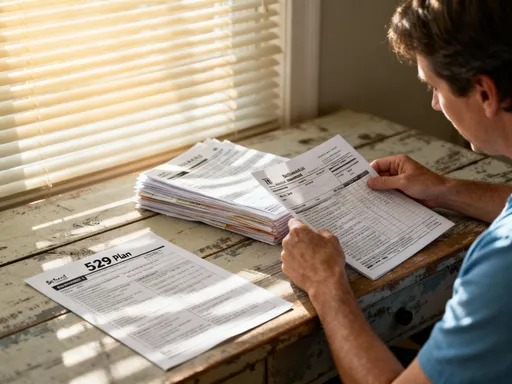
The first step out of the trap isn’t drastic action—it’s clarity. Before you can fix anything, you need to know exactly what you’re dealing with. That means gathering all your financial statements: credit card bills, loan agreements, medical debts, and any notices from the tax authority. Don’t skip the small balances. Don’t avoid the uncomfortable ones. Everything counts. At the same time, pull your last two tax returns, W-2s or 1099s, and any correspondence from tax filings. This isn’t about judgment; it’s about inventory.
Once you have the documents, create a simple spreadsheet. List each debt by type, balance, interest rate, and minimum payment. For taxes, note the years filed, amounts owed, and any payment plans in place. This gives you a complete snapshot. You’ll likely see patterns—high-interest credit cards eating up cash flow, old tax bills with compounding penalties, or discrepancies between income reported and what you actually earned. The goal isn’t to fix everything today. It’s to stop guessing and start knowing.
This process also helps you identify priority debts. Secured debts like mortgages or car loans usually come first because they involve collateral. Then come tax obligations—especially recent ones with active penalties. After that, high-interest unsecured debt like credit cards. Medical bills and older debts may be lower priority, depending on statutes of limitations and your personal risk tolerance. But again, the key is accuracy. Misclassifying a tax debt as low priority because it’s not being enforced now could backfire later. Being organized doesn’t mean you have all the answers yet. It means you’re no longer operating in the dark. And that alone reduces stress and prevents costly mistakes.
Using Legal Deductions and Credits to Free Up Cash Flow
One of the most powerful tools in debt repayment isn’t income—it’s retention. How much of what you earn do you actually keep? That’s where tax deductions and credits come in. These aren’t loopholes or tricks. They’re legal provisions designed to reduce taxable income or tax liability, and they’re available to millions of taxpayers who never claim them. When used wisely, they can free up hundreds or even thousands of dollars a year—money that can go straight toward debt.
Take the Earned Income Tax Credit (EITC), for example. It’s designed for low-to-moderate-income workers, especially those with dependents. Many eligible filers don’t claim it because they don’t know they qualify. Depending on your income and family size, it can result in a refund of over $6,000—even if you don’t owe any tax. That’s not a loan. It’s money the government returns because you earned it. Redirecting that refund toward high-interest debt can shorten your payoff timeline by months or even years.
Other common deductions include the standard or itemized deductions, which reduce your taxable income. If you’re self-employed or have side income, you may be able to deduct home office expenses, mileage, or business supplies—provided you meet the rules. The Child Tax Credit, the Saver’s Credit for retirement contributions, and education-related credits like the American Opportunity Credit can also put money back in your pocket. The key is documentation. Keep receipts, logs, and records. Don’t guess. Don’t assume. But don’t leave money on the table, either. Every dollar saved on taxes is a dollar that doesn’t need to come from your budget—and that means more firepower for your debt.
Strategic Payment Planning: Timing Debts and Tax Refunds Right
Timing matters more than most people realize. A $3,000 tax refund seems like a windfall—until it’s gone in a week on scattered bills. But when planned strategically, that same lump sum can change your financial trajectory. The key is to treat it not as extra income, but as a tactical tool. Before the refund arrives, decide exactly where it will go. Will it eliminate a high-interest credit card? Cover a past-due tax bill? Start an emergency fund to prevent future borrowing?
One effective strategy is the “debt avalanche” method applied to tax windfalls. List your debts by interest rate, from highest to lowest. Put your refund toward the top one while maintaining minimum payments on the rest. This reduces the fastest-growing balance first, saving you the most in interest over time. For example, if you have a credit card at 24% interest, paying $2,000 toward it could save you hundreds in finance charges over the next year. That’s money you keep, not pay.
Timing also applies to payment deadlines. If you owe taxes, paying by the due date avoids penalties and interest. But if you’re in a payment plan, making extra payments when you get a refund can shorten the term. Some people even adjust their withholding to get smaller refunds and more take-home pay each month, allowing them to pay down debt gradually. Others prefer the psychological boost of a large refund to make a big dent. Both approaches work—what matters is alignment with your goals. The point is to be intentional. A refund shouldn’t disappear into the background noise of bills. It should be a calculated move toward freedom.
Avoiding Common Traps That Derail Progress
Even with good intentions, people make mistakes that undo their progress. One of the most common is underreporting income from side jobs or gig work. It might seem harmless—especially if the payer didn’t issue a 1099—but the tax authority can cross-check with bank deposits or third-party platforms. If you’re audited, you’ll owe the tax plus penalties and interest. Worse, it could trigger a review of past returns. The safer path is to report all income, even if it’s irregular, and pay estimated taxes quarterly if needed.
Another trap is misusing payment plans. Yes, the tax authority often allows installment agreements, but these come with setup fees and ongoing interest. Some people sign up without a plan to pay them off quickly, turning a short-term solution into long-term debt. The smarter move is to use the plan as a bridge while you restructure your budget, then accelerate payments as soon as possible. Similarly, borrowing from retirement accounts to pay taxes or debt may seem like a quick fix, but it can trigger taxes and early withdrawal penalties—and it undermines your future security.
Then there’s the temptation to ignore notices. A letter from the tax authority shouldn’t go unanswered. Even if you can’t pay right away, contacting them to explain your situation can lead to better options—like a temporary delay or a revised payment plan. Silence, on the other hand, leads to escalating penalties. The lesson is clear: compliance isn’t optional. It’s protection. Every honest filing, every timely payment, every documented deduction builds a record that works for you, not against you.
Building a Sustainable System for Long-Term Freedom
Getting out of debt isn’t a one-time event. It’s a shift in mindset and routine. The final step is creating a system that prevents backsliding. Start with quarterly financial checkups. Every three months, review your budget, debt balances, and tax situation. Are you on track? Are there new deductions you can claim? Is your withholding still accurate? These small reviews catch problems early and keep you proactive.
Automate what you can. Set up automatic transfers to a savings account—even $50 a month builds a buffer. Use direct deposit for refunds and route them straight to debt or savings. Link your budgeting app to your bank accounts so you see real-time spending. Automation removes willpower from the equation and makes good habits effortless.
Finally, track your progress. Celebrate when you pay off a card. Note when your credit score improves. Keep a record of tax refunds and how they were used. These milestones reinforce your success and motivate continued discipline. Real financial freedom isn’t about being rich. It’s about being in control. It’s knowing that when tax season comes, you’re ready. That when an unexpected bill arrives, you can handle it without panic. That your money works for you, not against you. And that’s a feeling worth every smart, legal step you take to get there.