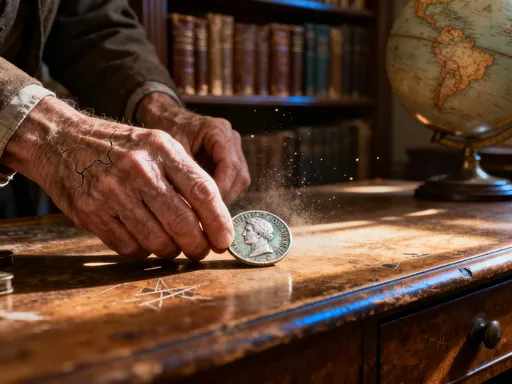
Coins in Your Pocket, Cash in Your Future
What if the loose change in your drawer could quietly grow into something more? Coin collecting isn’t just nostalgia—it’s a surprisingly steady play in the investment game. I’ve tested this path myself, sorting through old rolls and tracking market shifts. It’s not about striking gold overnight, but building stability over time. Let’s explore how this low-key strategy can anchor your portfolio, protect against volatility, and why it might be the quiet winner you’ve overlooked.
Why Coin Collecting Is More Than a Hobby
Coin collecting is often dismissed as a sentimental pastime, something reserved for retirees or history buffs with time on their hands. But beneath the surface, it represents a unique form of wealth preservation—one that has endured for centuries. Unlike stocks, bonds, or digital assets, coins are physical, portable, and immune to system failures or cyber threats. They are not subject to the whims of algorithmic trading or corporate mismanagement. When held with intention, certain coins appreciate steadily, not due to speculative frenzy, but because of scarcity, historical significance, and intrinsic metal value. This combination makes coin collecting a legitimate component of a balanced financial strategy.
The key distinction lies in understanding the difference between ordinary circulating coins and those with investment potential. Most coins in everyday use lose value over time due to wear, inflation, and mass production. However, collector-grade coins—those preserved in mint or near-mint condition—can increase in value significantly. These coins are often graded by independent services such as the Professional Coin Grading Service (PCGS) or Numismatic Guaranty Corporation (NGC), which assign ratings based on condition, luster, and surface quality. A coin graded MS-65 or higher, for example, can command a premium many times its face value, especially if it is rare or historically significant.
Intrinsic value plays a crucial role in this equation. Many investment-grade coins are made from precious metals like gold, silver, or platinum. Even if collector demand were to drop, the metal content provides a floor price. For instance, a silver dollar minted in the 1920s contains nearly an ounce of pure silver, meaning its worth will never fall below the current spot price of that metal. This characteristic makes such coins a natural hedge against inflation and currency devaluation. During periods of economic uncertainty, when paper assets fluctuate wildly, physical coins tend to hold their ground, offering stability when it is needed most.
Moreover, coin collecting offers diversification benefits. Because the numismatic market does not move in lockstep with stock or bond markets, adding coins to a portfolio can reduce overall volatility. While equities may plunge during a market correction, rare coins often remain stable or even appreciate as investors seek tangible alternatives. This low correlation enhances risk-adjusted returns, making coins a strategic addition rather than a novelty. For the thoughtful investor, coin collecting is not about chasing trends—it’s about building a quiet, resilient foundation for long-term financial health.
How to Spot Coins That Hold or Grow Value
Not every coin found in circulation has the potential to grow in value, but knowing what to look for can transform a simple habit into a sound financial practice. The first step is learning to identify key indicators of worth. Condition is paramount—coins with minimal wear, full detail, and original luster are far more desirable than those that have been heavily circulated. A single scratch or discoloration can significantly reduce a coin’s grade and, consequently, its market value. This is why handling coins with clean hands or cotton gloves and storing them in protective holders is essential from the moment they are acquired.
Mintage numbers are another critical factor. Coins produced in limited quantities are inherently more scarce, and scarcity drives demand. For example, a coin minted in the tens of thousands will generally be more valuable than one produced in the millions, assuming similar condition and historical interest. Special editions, commemorative issues, and coins released for anniversaries or national events often fall into this category. These coins are typically issued with lower mintages and higher-quality finishes, making them attractive to both collectors and investors.
Mint marks—small letters indicating where a coin was produced—can also reveal hidden value. In the United States, for instance, coins minted in Denver carry a “D,” those from San Francisco an “S,” and those from Philadelphia usually have no mark or a “P.” Some mint facilities produced fewer coins in certain years, making their output rarer. A 1909-S VDB Lincoln cent, for example, is highly sought after due to its low mintage and historical significance. Similarly, coins with die errors—such as double strikes, off-center impressions, or repunched mint marks—can command premium prices because of their uniqueness.
Historical context further enhances a coin’s appeal. Coins issued during pivotal moments—wars, economic shifts, or changes in leadership—often gain lasting interest. For instance, U.S. silver certificates from the mid-20th century carry both monetary and historical weight, representing a time when paper currency was directly backed by silver. Likewise, coins from countries that no longer exist or denominations that have been discontinued can become valuable over time as they become relics of a bygone era. The key is to look beyond face value and consider the story behind the coin—its origin, purpose, and place in history.
To avoid overpaying or falling for misleading claims, investors should rely on verified sources. Official mint records, price guides like the Red Book, and third-party grading services provide objective data on authenticity and condition. It is unwise to base decisions solely on online listings or auction results without cross-referencing reputable references. By grounding decisions in research rather than emotion, investors can build a collection that grows in value over time, not just in sentimental attachment.
Building a Strategy for Steady Returns
Success in coin collecting as an investment does not come from luck or impulse—it comes from discipline and structure. A well-defined strategy transforms what might seem like a random accumulation into a purposeful wealth-building tool. One of the most effective approaches is dollar-cost averaging, a method familiar to stock investors but equally valuable in numismatics. This involves purchasing small quantities of coins at regular intervals, regardless of short-term price fluctuations. By doing so, investors reduce the risk of buying at a peak and benefit from long-term appreciation without needing to time the market perfectly.
Thematic collecting offers another strategic advantage. Instead of acquiring random coins, investors focus on a specific category—such as coins from a particular country, era, monarch, or design motif. This approach enhances coherence, making the collection more meaningful and easier to manage. It also increases marketability, as themed collections are often more desirable to serious buyers. For example, a complete set of Morgan silver dollars from 1878 to 1921 holds more value than individual coins scattered across different series. Thematic focus also encourages deeper knowledge, which in turn improves decision-making and long-term outcomes.
Diversification within the coin market itself is equally important. Just as a stock portfolio should not rely on a single sector, a coin portfolio should balance different types of assets. A mix of bullion coins—like American Eagles or Canadian Maples—provides exposure to precious metal prices, while rare or low-mintage coins offer potential for appreciation based on scarcity and demand. Including both types creates a balanced approach: one grounded in intrinsic value, the other in collectible potential. This dual-layered strategy helps mitigate risk, ensuring that the portfolio is not overly dependent on any single market force.
Equally critical is the way coins are stored and documented. Proper preservation maintains condition, which is directly tied to value. Coins should be kept in airtight, non-reactive holders made of inert materials like Mylar or acrylic. They should be stored in a cool, dry place away from direct sunlight and humidity, both of which can cause tarnishing or corrosion. Additionally, maintaining a detailed inventory—listing purchase dates, grades, prices paid, and certification numbers—adds transparency and strengthens provenance. In the event of insurance claims or resale, this documentation proves authenticity and supports valuation.
The ultimate goal is not quick profit but compound appreciation over time. Unlike speculative trading, which relies on short-term price swings, coin investing rewards patience. A coin purchased today may double in value over a decade, not because of market hype, but due to increasing scarcity and enduring demand. By focusing on quality over quantity, consistency over timing, and knowledge over impulse, investors build a portfolio that grows quietly but reliably—like a tree whose roots deepen with each passing year.
When to Hold and When to Sell
One of the most challenging aspects of coin investing is knowing when to hold and when to sell. Emotional discipline is essential, as the urge to cash in during a price surge can be strong. However, history shows that long-term holding often yields better results than frequent trading. Coin values tend to rise gradually, driven by demographic shifts, increasing collector interest, and the natural reduction in supply as coins are removed from circulation. Selling too early means missing out on this compounding effect. Conversely, holding indefinitely without reviewing performance can lead to missed opportunities or exposure to declining markets.
Market cycles play a role in timing decisions. Like other asset classes, the coin market experiences periods of growth and contraction. During economic expansions, disposable income rises, and more people enter the hobby, increasing demand. In times of uncertainty, investors often turn to tangible assets, boosting interest in precious metal coins. However, when prices rise too quickly, they can become detached from intrinsic value, creating bubbles. Signs of an overheated market include rapid price increases without corresponding changes in rarity or condition, widespread media hype, and inexperienced buyers paying premiums without proper research. In such environments, caution is warranted.
Liquidity is another important consideration. While coins are generally easier to transport and store than real estate or art, they are not as liquid as stocks or bonds. Selling a rare coin may require working with a reputable dealer, auction house, or online marketplace, each of which charges fees or commissions. The process can take weeks or even months, depending on the coin’s rarity and demand. Therefore, investors should view coin collections as medium- to long-term holdings, not emergency funds. Planning for liquidity needs in advance ensures that sales occur under favorable conditions rather than out of necessity.
A strategic approach to selling involves partial exits rather than full divestment. For example, an investor might sell a portion of their holdings to rebalance their portfolio, fund a major purchase, or take profits after a significant appreciation. This allows the remaining collection to continue growing while locking in gains. It also reduces exposure without abandoning the asset class entirely. Keeping detailed records of cost basis and sale prices helps manage tax implications, particularly in jurisdictions where collectibles are subject to capital gains taxes.
The decision to sell should be based on clear criteria, not emotion. Investors should periodically review their collections in light of their overall financial goals, market conditions, and personal circumstances. If a coin no longer fits the strategy, has reached a target price, or is underperforming, it may be time to let it go. But if it remains aligned with long-term objectives and shows steady appreciation, holding is often the wiser choice. In coin investing, patience is not just a virtue—it is the engine of returns.
Avoiding Common Pitfalls and Scams
The coin market, while rewarding, is not without risks. One of the most common mistakes is overpaying for uncertified coins. Without third-party grading, it is difficult to verify a coin’s condition, authenticity, or value. Unscrupulous sellers may exaggerate a coin’s grade or hide damage, leading buyers to pay far more than the item is worth. To avoid this, investors should prioritize coins that have been graded and encapsulated by reputable services like PCGS, NGC, or ANACS. These organizations use strict standards and tamper-evident holders to ensure trust and transparency.
Emotional buying is another trap. Nostalgia, patriotism, or personal attachment can cloud judgment, leading investors to purchase coins based on sentiment rather than financial merit. While it is natural to be drawn to coins from one’s birth year or a favorite historical period, such decisions should be made with awareness. It is wise to separate sentimental acquisitions from investment-grade purchases, ensuring that the core portfolio remains focused on value and growth potential.
Online marketplaces and auction sites can be valuable resources, but they also host misleading valuations and fraudulent listings. Claims like “rare find” or “investment-grade” with no supporting evidence should be treated with skepticism. Similarly, promises of guaranteed returns or rapid appreciation are red flags—no legitimate investment can promise such outcomes. High-pressure sales tactics, limited-time offers, or requests for immediate payment are common in scams and should be avoided.
Another pitfall is neglecting ongoing education. The coin market evolves, with new discoveries, grading standards, and market trends emerging over time. Relying on outdated information can lead to poor decisions. Staying informed through numismatic publications, collector forums, and professional networks helps investors remain vigilant and knowledgeable. Attending coin shows, joining clubs, and consulting with trusted dealers also provide valuable insights and build confidence.
By combining caution with curiosity, investors can navigate the market safely. The goal is not to eliminate risk entirely—no investment is without it—but to manage it wisely. With due diligence, skepticism, and a commitment to learning, the risks of scams and mistakes can be minimized, allowing the true benefits of coin collecting to shine through.
How Coin Collecting Fits Into a Broader Financial Plan
Coin collecting should not exist in isolation—it works best as part of a diversified financial strategy. When integrated thoughtfully, it complements traditional assets like stocks, bonds, and real estate. Unlike equities, which are subject to corporate performance and market sentiment, or bonds, which are tied to interest rates and credit risk, coins offer a different kind of stability. They are tangible, portable, and independent of financial systems. In times of crisis, when banks close or digital networks fail, a well-curated collection remains accessible and valuable.
Financial advisors often recommend allocating a small portion of a portfolio—typically 5% to 10%—to alternative assets like precious metals, art, or collectibles. Coins fit naturally within this category. They are easier to store and insure than real estate, more durable than paper assets, and more historically proven than many modern investments. For families, a coin collection can serve as a crisis reserve—something that can be liquidated discreetly and efficiently if needed. Unlike selling stocks, which may trigger taxes or market scrutiny, converting coins to cash can be done privately and with minimal delay.
Tax considerations also play a role. In many countries, collectibles are taxed at different rates than capital gains from stocks or mutual funds. In the United States, for example, long-term gains on collectibles are taxed at a maximum rate of 28%, compared to 20% for most other assets. This means investors should plan accordingly, holding coins for more than a year to qualify for long-term treatment and keeping accurate records to support cost basis and sale proceeds.
Estate planning is another area where coin collections offer unique advantages. A well-documented, professionally graded collection can be passed on with clarity, reducing the risk of disputes among heirs. Unlike digital accounts or complex financial instruments, physical coins are easy to locate and verify. Including a detailed inventory in a will or trust ensures a smooth transfer and preserves the collection’s value for future generations. This makes coin investing not just a personal endeavor, but a legacy-building one.
Ultimately, the role of coin collecting is not to dominate a portfolio but to balance it. It provides a counterweight to volatility, a hedge against inflation, and a tangible connection to history. For the discerning investor, it is not about getting rich quickly—it is about building enduring value, one coin at a time.
Final Thoughts: Patience Pays, Literally
The journey through coin collecting reveals a fundamental truth: real wealth is built slowly, steadily, and with intention. Unlike get-rich-quick schemes that promise instant results, coin investing rewards those who are willing to wait, learn, and act with discipline. It does not offer overnight riches, but it delivers something more enduring—long-term value preservation, portfolio stability, and financial peace of mind. As markets rise and fall, currencies fluctuate, and digital assets come and go, a carefully curated collection stands apart, rooted in material worth and historical significance.
For the 30- to 55-year-old investor—often balancing family, career, and long-term goals—coin collecting offers a practical, accessible way to diversify and protect wealth. It requires no advanced degree, no constant monitoring, and no high-risk bets. Instead, it invites patience, curiosity, and a long-term perspective. Starting small, focusing on quality, and staying informed are the keys to success. Over time, what begins as a modest collection can grow into a meaningful asset—one that not only appreciates in value but also tells a story.
In a world of noise and distraction, coin collecting is a quiet act of financial wisdom. It reminds us that not all value is digital, not all growth is rapid, and not all returns are measured in percentages alone. The real return is in knowing that you have built something tangible, lasting, and resilient. Start today, stay consistent, and let time do the work. The coins in your pocket may just be the beginning of a brighter financial future.