How I Turned My Hobbies Into a Smarter Investment Game
What if your weekend passion could do more than just clear your mind—what if it also built real value? I used to see hobbies as just escapes, until I realized they could be part of a smarter financial strategy. It wasn’t about making money fast, but about aligning joy with long-term growth. This shift changed how I invest, spend, and plan. Here’s how blending hobbies with thoughtful investment layout can work for you—without the hype or false promises. What began as simple weekend gardening evolved into a deeper understanding of asset stewardship, reinvestment, and value creation. Over time, I learned that the things we love to do can quietly become tools for financial clarity, resilience, and even modest returns—when approached with intention.
The Hidden Value in Your Free-Time Passion
Many people view hobbies as purely recreational—activities set apart from the serious business of earning and saving. Yet beneath the surface of knitting, hiking, restoring furniture, or playing music lies a quiet financial undercurrent. Every time you purchase supplies, attend a workshop, or upgrade your equipment, you are allocating resources. These choices, though often seen as personal indulgences, represent micro-investments in time, skill, and tangible assets. The shift begins when you stop seeing these expenditures solely as costs and start recognizing their potential for appreciation—both financial and personal.
Consider the collector who carefully curates vintage cameras, not just for use but for preservation. Over years, well-maintained models from reputable brands have demonstrated steady value growth, especially when original packaging and documentation are preserved. Similarly, a home gardener investing in heirloom seeds and quality soil amendments may not think in monetary terms, but over time, the knowledge gained, the yield produced, and even the surplus shared or sold at local markets contribute to household savings and food security. These are not get-rich-quick schemes, but gradual accumulations of value rooted in care and consistency.
More than the objects themselves, hobbies cultivate soft assets—skills, patience, discipline, and community connections. A woodworker learns precision and problem-solving; a birdwatcher develops observation and record-keeping habits. These qualities transfer directly to financial decision-making. Someone who patiently restores a classic bicycle learns to assess wear, anticipate maintenance costs, and evaluate resale potential—skills that mirror those used in managing stocks, real estate, or retirement accounts. In this way, hobbies function as informal training grounds for financial literacy.
The emotional benefit of hobbies is well-documented, but their role in shaping responsible financial behavior is less discussed. When you invest in something you care about, you pay closer attention. You research better storage methods, track market trends for similar items, and avoid impulse purchases because you understand the long-term cost of neglect. This attentiveness fosters a mindset of stewardship, which naturally extends to broader financial planning. Instead of reactive spending, you begin to think in terms of maintenance, growth, and legacy.
From Spending to Strategic Allocation: Reframing the Mindset
The transition from passive hobbyist to strategic participant starts with a change in perception. What was once labeled “discretionary spending” becomes “intentional allocation.” This mental shift doesn’t require abandoning enjoyment—it enhances it by adding purpose. When you view your hobby-related purchases through an investment lens, you become more deliberate about what you buy, how you use it, and how you preserve its value. This is not about monetizing every moment of leisure, but about aligning your passions with long-term financial health.
Mindset shapes behavior. If you believe that your photography gear will retain value over time, you’re more likely to store it properly, service it regularly, and avoid unnecessary upgrades. You might research which camera models hold their worth and choose accordingly, even if a newer model has flashy features. This kind of decision-making mirrors the principles of value investing: buying quality assets, holding them long-term, and avoiding emotional reactions to short-term trends. The same applies to other hobbies—whether it’s selecting durable hiking boots over cheaper alternatives or choosing archival-quality materials for scrapbooking.
However, this reframing requires vigilance against common behavioral traps. Emotional spending is a real risk, especially in niche markets where scarcity and nostalgia drive prices. A vintage guitar might seem like a wise investment, but if purchased at the peak of a trend without regard for condition or authenticity, it could lose value quickly. Similarly, joining a community of collectors or enthusiasts can provide valuable knowledge, but it can also create pressure to keep up with others’ purchases, leading to overspending. The goal is not to eliminate enjoyment but to balance passion with prudence.
One practical way to reinforce this mindset is to keep a hobby journal. Track each purchase, note its condition, and document any repairs or improvements. Over time, this record becomes a personal asset ledger, helping you see patterns in spending and value changes. You may discover that certain types of purchases consistently hold or increase in value, while others depreciate rapidly. This data empowers better decisions moving forward. It also creates a sense of accountability—knowing that your choices are being monitored encourages more thoughtful spending.
Choosing Hobbies with Investment Potential
Not all hobbies offer the same potential for value retention or growth. Some are inherently more suited to long-term appreciation due to factors like scarcity, durability, demand, and the transferability of skills. While there’s nothing wrong with enjoying purely recreational activities—such as watching films or casual walking—the focus here is on identifying hobbies that can serve dual purposes: personal fulfillment and financial prudence.
Scarcity plays a major role in determining investment potential. Items that are no longer in production, especially those with high craftsmanship or cultural significance, tend to appreciate over time. Think of limited-edition tools, discontinued art supplies, or rare books related to a particular craft. These items often gain value not because they are inherently superior, but because supply is fixed while interest may grow. Similarly, hobbies centered around restoration—such as antique furniture repair or classic car maintenance—involve working with finite resources, increasing the likelihood of long-term worth.
Durability is another key factor. A hobby involving high-quality, long-lasting materials—like leatherworking, quilting with premium fabrics, or metal sculpting—creates assets that can be used, displayed, or sold years later. In contrast, hobbies reliant on consumables—like candle-making with frequent wax purchases or gardening with non-heirloom seeds—may offer joy and utility but generate fewer lasting assets. That doesn’t mean they lack value; it simply means their financial return is more indirect, such as through reduced household expenses or skill development.
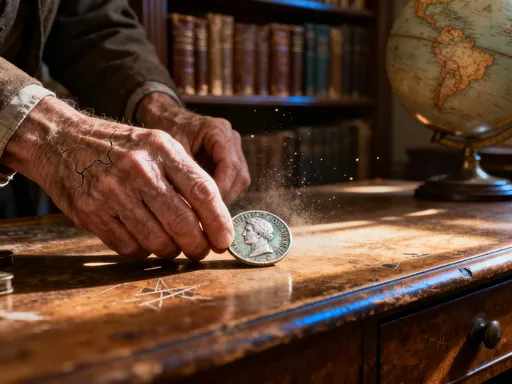
Demand within a community also influences value. Hobbies with active secondary markets—such as model railroading, coin collecting, or musical instrument playing—often allow participants to recoup a significant portion of their investment when selling gear or completed projects. Online platforms and local clubs facilitate these transactions, making liquidity more accessible. The presence of organized communities also means there are established standards for grading condition, authenticity, and rarity, which helps protect buyers and sellers alike.
Finally, consider the transferability of skills. A hobby that builds marketable abilities—such as baking, sewing, or digital illustration—can evolve into a side income stream. Even if you never plan to monetize your craft, the ability to repair, customize, or create items yourself reduces reliance on external services. This self-sufficiency translates into long-term savings and increased household resilience. When evaluating a hobby, ask: Does it teach me something useful? Can I apply this knowledge in other areas of life? Will these skills remain relevant over time?
Building a Diversified Personal Portfolio Around Passion
Just as financial advisors recommend diversifying investment portfolios to manage risk, a balanced approach to hobby-based value creation involves spreading your time and resources across multiple interests. Concentrating all your efforts on a single hobby—no matter how promising—exposes you to volatility. If market demand shifts, if your health limits participation, or if supply chains disrupt material availability, your entire personal portfolio could suffer. Diversification mitigates this risk by ensuring that even if one area underperforms, others can maintain stability and continue generating value.
A “passion portfolio” blends hobbies for enjoyment with those offering higher appreciation potential. For example, you might dedicate 60% of your hobby budget to activities you love purely for relaxation—such as reading, walking in nature, or cooking for family—while allocating 40% to pursuits with stronger asset-building qualities, like woodworking, vintage clothing curation, or photography. This split ensures emotional fulfillment while allowing room for strategic growth. The exact ratio depends on your goals, available time, and financial capacity.
Effective diversification also considers correlation. Hobbies that rely on similar skills, materials, or markets tend to move together—if one declines, others may follow. For instance, multiple crafts using fabric (quilting, sewing, embroidery) could all be affected by rising textile costs. In contrast, low-correlation hobbies—such as gardening and digital music production—depend on different inputs and communities, offering greater insulation against external shocks. By selecting a mix of activities across categories, you create a more resilient personal ecosystem.
Time is another dimension of diversification. Some hobbies yield quick results—a baked loaf, a painted canvas—while others unfold over years, such as growing a heritage apple orchard or mastering a musical instrument. Including both short-term and long-term pursuits ensures ongoing satisfaction and visible progress, which sustains motivation. Regular engagement with immediate-return activities can offset the slower pace of asset-building hobbies, preventing frustration or burnout.
Case studies illustrate the power of compounding small, consistent inputs. A woman who spends $50 monthly on high-quality yarn and knitting tools may, over a decade, build a collection of heirloom garments and a reputation within her local crafting circle. These intangible benefits—trust, recognition, skill mastery—can lead to informal teaching opportunities or commissions, creating modest income without formal entrepreneurship. Another individual who rotates between restoring small appliances, cultivating herbs, and learning basic coding builds a toolkit of practical abilities that enhance daily life and reduce dependency on paid services. Over time, these combined efforts generate a quiet but meaningful return on investment.
Practical Steps to Integrate Hobbies into Your Financial Plan
Turning insight into action requires structure. Without a clear framework, even the best intentions can drift into disorganized spending. The first step is tracking hobby-related expenses. Create a simple spreadsheet or use a budgeting app to log every purchase—materials, tools, memberships, travel to events. Categorize each entry by hobby and purpose (e.g., “woodworking—table saw blade replacement”). This transparency reveals spending patterns and helps identify areas for optimization.
Next, set annual and monthly budgets for each hobby. Treat these like any other financial commitment. If you allocate $600 per year to photography, divide it into $50 monthly segments. When a major expense arises—like a new lens—save up for it gradually rather than charging it. This approach prevents debt accumulation and reinforces disciplined spending. It also allows you to prioritize purchases based on value potential. For instance, investing in a high-quality tripod may offer better long-term utility than a trendy filter set with limited use.
Documentation is equally important. Keep records of asset conditions, maintenance history, and any appraisals or sale attempts. Photograph valuable items periodically to show wear and preservation efforts. For handmade creations, note the materials used, time invested, and any feedback received. This information not only supports future resale but also provides personal satisfaction—a tangible record of growth and care.
Use available tools to monitor value trends. Websites that track collector markets, auction results, or resale platforms can give insights into what’s gaining or losing value. Subscribe to newsletters or forums related to your hobbies to stay informed. Knowledge is a critical component of any investment strategy, and staying updated helps you make proactive decisions rather than reactive ones.
Finally, align each hobby with a specific goal. Is this activity meant for personal enjoyment only? Could it support skill monetization in the future? Are you building a legacy collection for your children? Defining the purpose helps determine how much to invest and what kind of return to expect. For example, a gardener focused on self-sufficiency might prioritize vegetable varieties with high yield and storage longevity, while one aiming to sell produce at farmers’ markets would focus on aesthetics, seasonality, and customer preferences. Clear goals turn abstract passions into structured plans.
Risk Awareness: When Passion Meets Reality
While integrating hobbies into financial planning offers many benefits, it’s essential to recognize the risks. Emotional attachment can distort judgment, leading to overvaluation of personal items or reluctance to part with underperforming assets. A handcrafted quilt may hold deep sentimental value, but its market price may not reflect the hours invested. Similarly, a vintage record collection might feel priceless to its owner, yet face limited buyer interest in a digital age.
Liquidity is another concern. Unlike stocks or bonds, most hobby-related assets cannot be sold quickly without accepting a loss. Finding the right buyer for a specialized item—such as a rare sewing machine or a hand-built kayak—can take months or even years. This illiquidity means these assets should never replace core financial holdings like emergency funds or retirement accounts. They are best treated as supplemental, enriching elements of a broader financial picture.
Market fluctuations also pose a risk. Trends change, tastes evolve, and economic conditions affect discretionary spending. A surge in popularity for retro video games may boost resale values temporarily, but a shift in cultural interest could just as quickly diminish demand. Relying on such volatility for financial security is unwise. Instead, focus on intrinsic value—items that are well-made, functional, and timeless in appeal.
Maintenance costs must also be factored in. Preserving value often requires ongoing investment—climate-controlled storage, regular servicing, insurance. A classic bicycle may appreciate, but only if it’s kept in mint condition through careful upkeep. These hidden expenses can erode returns if not accounted for in advance. The key is balance: enjoy your hobby, but do so with eyes open to the full cost of ownership.
The guiding principle is this: passion should enhance life, not create financial pressure. If the thought of selling your handmade pottery causes stress rather than excitement, it may be a sign that monetization isn’t the right path. There is great value in creating for creation’s sake. The goal is not to turn every hobby into a profit center, but to ensure that your passions support, rather than strain, your financial well-being.
Long-Term Gains Beyond Money
Ultimately, the true return on hobby-based investing extends far beyond dollars and cents. While some items may appreciate in market value, the deeper gains are found in personal growth, emotional resilience, and enriched daily life. A gardener doesn’t just grow vegetables—they cultivate patience, observe natural cycles, and connect with the seasons. A musician doesn’t only play notes—they develop focus, express emotion, and build confidence through performance. These intangible benefits compound over time, contributing to a sense of purpose and well-being that no balance sheet can measure.
Moreover, hobbies create identity. In a world where many feel defined by their jobs or financial status, having a meaningful pursuit outside of work restores agency and self-worth. It reminds us that we are more than earners and spenders—we are creators, learners, stewards. This perspective fosters a healthier relationship with money, where wealth is not just about accumulation but about living a full, balanced life.
When thoughtfully integrated, hobbies become part of a holistic financial strategy—one that values time, health, and joy as much as savings and returns. They teach us to invest not just in assets, but in ourselves. And in doing so, they lay the foundation for lasting security, not just in the bank, but in the heart. The most valuable legacy we can build is not a portfolio of rare items, but a life well-lived, rich with meaning, connection, and quiet confidence. That, more than any profit margin, is the ultimate dividend.